
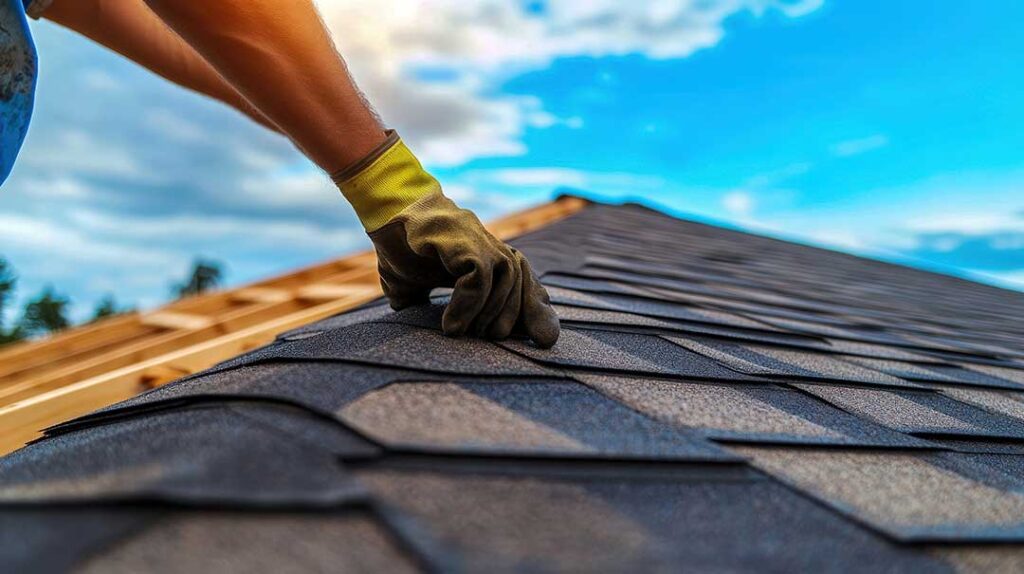
What Causes Shingle Curling and Cracking in Poughkeepsie, NY Homes?
Shingle curling and cracking are common issues for local roofs, especially as the region experiences significant shifts between hot summers and freezing winters. These temperature swings can cause roofing materials to expand and contract, weakening asphalt shingles over time.
Several factors unique to Poughkeepsie affect the rate and severity of shingle deterioration:
- Seasonal Temperature Fluctuations: Freeze-thaw cycles can cause moisture beneath shingles to expand and contract, stressing the material.
- Humidity and Rain: High humidity and periodic heavy rains may accelerate the aging of shingles by keeping them damp for longer periods.
- Sun Exposure: Direct sunlight can make shingles brittle, particularly on south- and west-facing slopes.
- Ventilation Issues: Older homes or roofs lacking modern attic ventilation are more likely to develop these problems because heat and moisture become trapped beneath shingles.
How Can You Identify Curling and Cracking Early?
Look for specific visual cues from the ground or through binoculars. Shingle curling typically appears as edges turning upward (cupping) or the middle rising up (clawing), while cracking often shows as visible splits or creases.
Typical warning signs include:
- Shingles with turned-up edges or pronounced bumps
- Random or patterned cracks running through individual shingles
- Granule loss near areas where shingles are deformed
- Exposed sections of roof where shingles have broken away
Perform roof checks after storms, ice melt days, or stretches of hot weather, as these periods may accelerate shingle damage.
Are Curling and Cracking Always Signs the Roof Needs Replacement?
Not always. While these can be symptoms of widespread aging, isolated or minor curling and cracking can sometimes be repaired, prolonging the useful life of the roof.
Consider the following:
- If only a few shingles are affected, targeted replacement is usually possible.
- Widespread curling and cracking across large sections often indicate that the roof is nearing the end of its useful life.
- For roofs nearing 20 years old (the typical lifespan of three-tab asphalt shingles in this climate), repeated curling and cracking might signal that major repairs or full replacement are needed soon.
What Maintenance Helps Prevent Further Curling and Cracking?
Routine care can slow down deterioration and help local homeowners avoid bigger issues.
- Ensure attic spaces are well-ventilated and insulated to reduce extreme temperature differences between roof and living areas.
- Keep gutters and downspouts clear to prevent water backup that can undermine shingle structure.
- Trim nearby tree branches to reduce shade (which can trap moisture) and minimize falling debris that may damage shingles.
- Inspect and seal roof penetrations (vents, chimneys, skylights) to keep water from seeping beneath shingles and causing swelling or delamination.
Addressing small issues, such as loose flashing or visible nail pops, as soon as they are noticed can often help prevent related damage to shingles.
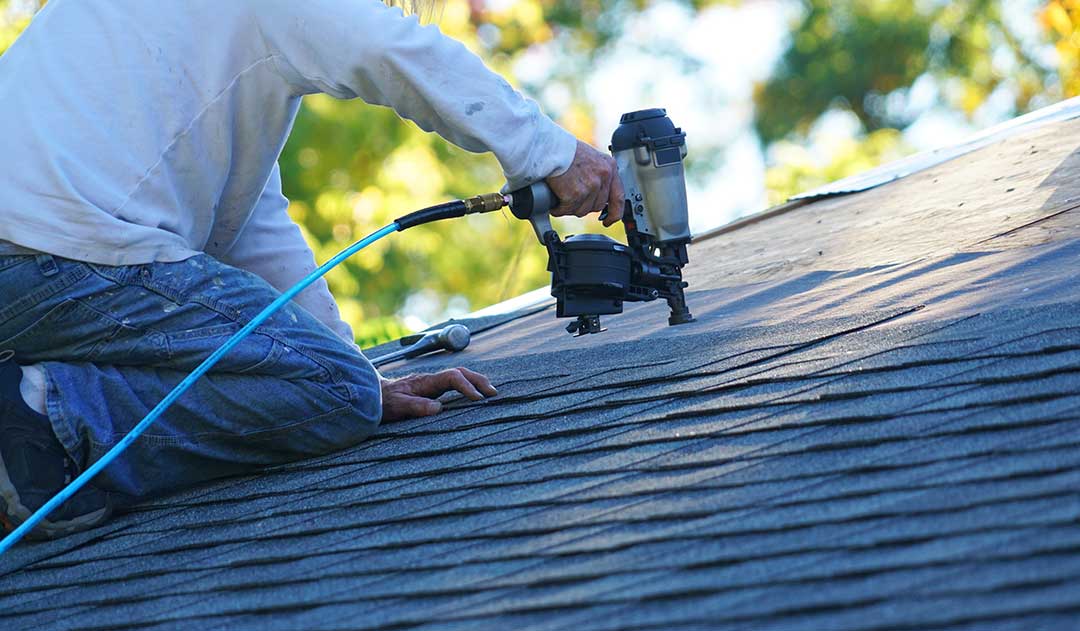
What Are the Risks of Leaving Curling and Cracking Untreated?
Ignoring these signs can lead to water infiltration and hidden damage. Even if only a few shingles show visible problems, gaps created by curling or cracked shingles can let in rain, snow, or even wind-driven debris.
Possible consequences include:
- Mold or rot developing in the roof deck or attic insulation
- Compromised waterproofing, leading to leaks inside the home
- Higher likelihood of shingle blow-off during storms
- Loss of attic energy efficiency, raising heating and cooling costs
Poughkeepsie residents, especially those in older homes or neighborhoods with mature trees, should be vigilant after severe weather events or apparent rooftop damage.
Can Residents Safely Repair Minor Curling or Cracking Themselves?
Homeowners often address small, accessible problems with basic tools and supplies. For minor curling, it’s possible to re-adhere shingles using roofing cement; slightly lifted shingles that have not cracked through can sometimes be secured this way. Minor cracks may be sealed using an asphalt-compatible sealant.
However, evaluating full roof safety from a ladder remains essential, and repairs are best performed only if the surface is stable, dry, and free of moss or ice. For steep-pitched or two-story roofs, or when there’s uncertainty about the roof’s condition, it’s safest to observe from the ground and consult area building guidelines or seek professional help strictly for hazardous situations.
Does Poughkeepsie’s Climate Mean More Frequent Roof Maintenance?
With the mix of cold, snowy winters and hot, humid summers, local roofs take a regular beating compared to milder climates. Homeowners in Poughkeepsie often find themselves inspecting or maintaining their roofs more frequently, especially after snow loads, ice dam releases, or recurring heatwaves.
Proactive seasonal inspections — ideally once in late spring and once before winter — help catch early developing curling and cracking. Removing heavy snow promptly and managing ice dams also prevents secondary damage that can hasten shingle aging.
What Are Common Misconceptions About Shingle Curling and Cracking?
Some homeowners assume that one or two curled shingles always means immediate roof failure, or, conversely, that visible cracks can be ignored if no leaks are obvious. In reality:
- Isolated shingle problems may result from localized heat, wind, or tree limb abrasion and can sometimes be repaired.
- Cracks, even if not yet leaking, signal vulnerabilities that may let moisture in as seasons change and should not be overlooked.
- Curling shingles might look harmless but often leave nails exposed or protective granules missing, making the area more susceptible to rapid water damage.
Periodic roof assessments are a normal, expected part of maintaining homes in this region.
