
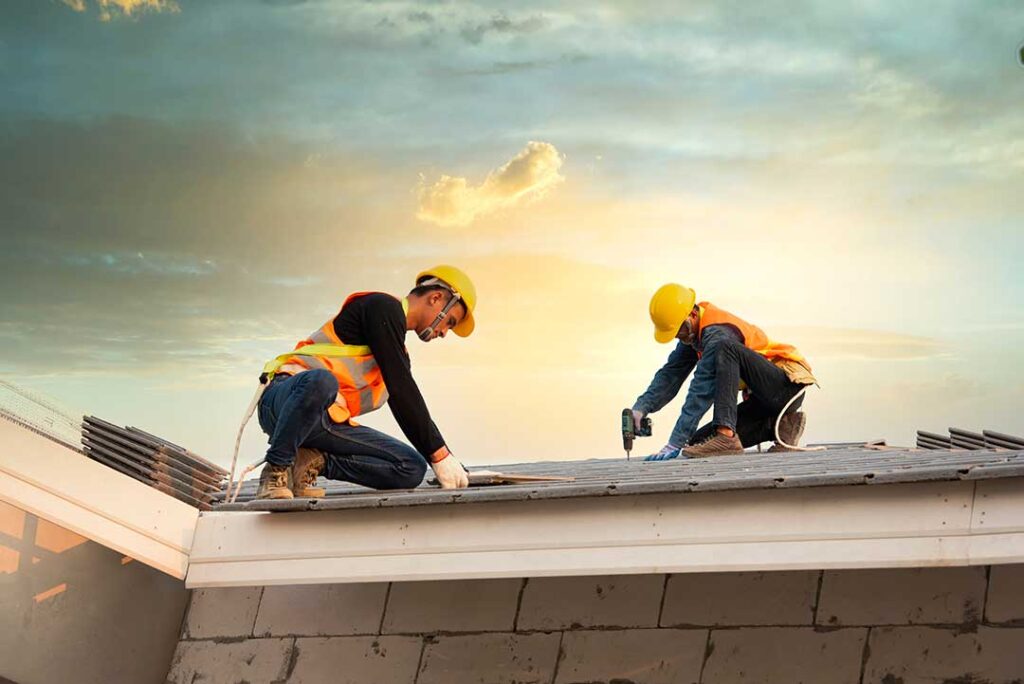
How Does Sun Exposure Affect Roofing Materials?
Roofs in Poughkeepsie, NY are regularly exposed to sunlight, which can gradually break down different roofing materials over time. Continuous exposure to ultraviolet (UV) rays causes many common roofing types—such as asphalt shingles, wood, and even metal—to age faster, fade, and in some cases, lose effectiveness.
- Asphalt shingles may become brittle, crack, or curl with prolonged sun exposure.
- Wooden shingles or shakes can dry out and split.
- Metal roofing can expand and contract, which may loosen fasteners or seams.
Poughkeepsie experiences distinct seasonal sunlight, with particularly intense UV exposure during the long days of late spring and summer. On south- or west-facing roofs, where sunlight is strongest for hours each day, deterioration often appears sooner than on shaded or north-facing areas.
Why Do Some Roof Areas Age Faster Than Others?
Some sections of a roof will show wear long before others because they receive more direct sunlight throughout the year. In Poughkeepsie, roofs with large, unshaded areas—particularly those facing south and west—age faster.
Often, residents notice that one side of the roof looks more faded or worn. This is usually not a manufacturing issue but a result of sun angle and exposure. Tree cover, nearby buildings, and roof slope all play a role in how much sunlight certain sections endure.
What Specific Problems Can Sun Exposure Cause?
Sunlight leads to:
- Color fading: Shingles and tiles often lose their original color, which can affect the appearance of the home.
- Surface cracking and loss of flexibility: Materials become brittle, making them more prone to breaking or granule loss.
- Accelerated aging of sealants and adhesives: Caulk and roof coatings can become less effective, increasing the risk of leaks.
- Thermal cycling: Repeated heating and cooling causes materials to expand and contract, which may lead to warping or gaps.
Local homeowners sometimes underestimate how much expansion and contraction can shift flashing, loosen nails, or even create small openings for water over time.
How Can Households Tell if Sun Has Damaged Their Roof?
The effects of prolonged sun exposure aren’t always obvious from the ground, but there are clear signs to look for:
- Shingles that appear curled, warped, or cracked
- Discoloration, streaking, or fading, especially on the sunniest roof surfaces
- Missing granules on asphalt shingles (noticeable as bare spots or loose debris in gutters)
- Gaps developing at ridge lines, flashing, or roof edges
Checking for these signs each spring and fall—especially after the peak summer sun—can help identify sun-related wear before it becomes a leak or insulation issue.
Does Sun Damage Mean Immediate Repairs Are Needed?
Sun-related aging happens gradually and does not always require urgent action. Many types of cosmetic fading do not affect the immediate function of a roof. However, once cracks or visible deterioration appear, particularly on older roofs, the overall waterproofing and weather resistance may be compromised.
Local experience suggests that roofs more than 15 years old are more susceptible to cumulative sun damage, and proactive maintenance can sometimes extend their life by several years.
Are Certain Roofing Materials Better for Sunny Conditions in Poughkeepsie?
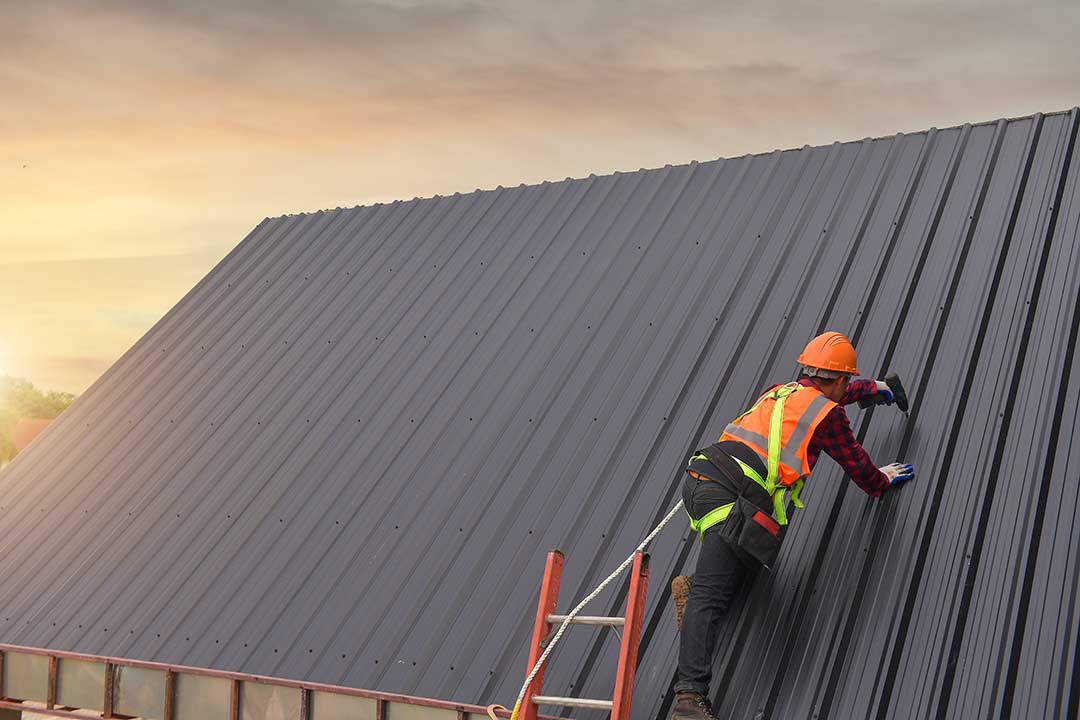
Some roofing materials are naturally better suited to handle consistent sun. For example:
- Architectural asphalt shingles often contain UV-resistant additives and hold up better than basic 3-tab shingles.
- Metal roofs with light-colored coatings reflect more sunlight, reducing surface temperatures and slowing down aging.
- Slate and clay tiles are highly resistant to UV rays, but they are more common on historic properties or specialty homes.
Choosing materials designed for higher UV resistance can help, but proper installation and ventilation are just as important for long-term performance.
Can Sun Exposure Affect Home Energy Efficiency?
Yes, sunlight can impact how much heat is transferred into a home through the roof. Dark, sun-exposed surfaces absorb and radiate more heat, which can make attics warmer and increase summer cooling costs. Lighter-colored roofing, good attic insulation, and proper ventilation all help limit heat buildup indoors—a worthwhile consideration for local households, especially during the humid summers.
What Maintenance Helps Offset Sun Exposure Effects?
Routine upkeep is the simplest defense against sun-related roof problems:
- Inspect roofs visually after each winter and summer—these are periods of high temperature swings and UV exposure.
- Keep gutters and downspouts clear to prevent blocked drainage, which can make sun-affected materials break down faster.
- Trim back overhanging branches (with care and safety consideration) to strike a balance between shade and airflow without increasing debris on the roof.
- Replace weathered caulks or sealants in vulnerable areas like flashing, vents, or chimneys.
While regular maintenance won’t stop the sun from aging a roof, it can slow the process and help spot minor problems early.
Do Local Weather Patterns Influence Sun Damage?
Poughkeepsie gets a mix of sunny, humid summers, and cold, snowy winters. The dramatic seasonal swings increase the heating-cooling cycles experienced by most roofs. Snow cover in winter gives many roofs a seasonal break from direct sun, but rapid thawing in spring can reveal or worsen damage caused by months of uninterrupted summer sunlight.
Local variations in tree cover and prevailing winds can also influence how different homes experience sun-related aging. For example, homes on open lots without large trees may see faster roof wear compared to houses tucked beneath a mature canopy.
