
Roof flashing is the thin, water-resistant material installed around roof joints, edges, and openings to direct rain and melting snow away from vulnerable areas. Although flashing is often hidden or easy to overlook, it plays a major role in preventing leaks, wood rot, insulation damage, and interior water stains.
For homes in Poughkeepsie, NY, flashing deserves special attention because roofs must handle rain, snow, freeze-thaw cycles, wind, falling leaves, and occasional ice buildup throughout the year.
What is roof flashing?
Roof flashing is usually made from corrosion-resistant metal, although some flashing components may use rubberized or composite materials. It is installed where two surfaces meet or where a roof penetration interrupts the roofing surface.
Typical locations include:
- Chimneys and masonry walls
- Plumbing vent pipes
- Roof valleys
- Skylights
- Dormers
- Roof-to-wall intersections
- Eaves and roof edges
- Sidewalls and headwalls
- Areas around roof-mounted equipment
These locations are vulnerable because water does not always flow in a simple, uninterrupted path. Flashing creates a controlled route that moves water back onto the roof surface or into a drainage system rather than allowing it to enter the building.
Why does flashing matter?
Flashing matters because shingles or other roofing materials alone cannot reliably seal every joint and opening. Even a well-installed roof has places where water can collect, change direction, or run beneath the surface during wind-driven rain.
Properly installed flashing helps:
- Prevent water from entering wall and roof assemblies
- Protect roof decking from decay
- Reduce the risk of mold caused by persistent moisture
- Protect insulation from becoming wet and ineffective
- Limit staining on ceilings and interior walls
- Keep masonry joints and surrounding framing from absorbing excess water
- Extend the useful life of nearby roofing materials
A small flashing defect can produce a much larger problem over time. Water may travel along rafters, sheathing, or wall cavities before becoming visible indoors. As a result, the location of a ceiling stain may not match the location of the original leak.
Where are the most vulnerable flashing areas?
The most vulnerable areas are usually places where the roof meets another structure or where water must change direction.
Chimneys
Chimneys commonly use several flashing components, including base flashing, step flashing, and counterflashing. Step flashing is layered with the shingles along the sides of the chimney, while counterflashing is often set into the masonry above it.
Problems can develop if mortar joints deteriorate, metal pulls away, sealants crack, or the flashing was installed without proper overlap. Chimney leaks may appear as dampness near the fireplace, staining on an upper ceiling, or moisture along an adjacent wall.
Roof valleys
A valley collects water from two roof slopes, making it one of the highest-flow areas on a roof. Flashing in a valley must be carefully integrated with the roofing material so water cannot work beneath the edges.
Leaves, pine needles, and other debris can slow drainage. During winter, repeated freezing and thawing may widen small gaps or loosen materials near the valley.
Plumbing vent pipes
Vent pipes pass through the roof and require a flashing boot or similar sealed assembly. The rubber portion of a vent boot can become brittle with age, while the metal base may corrode or lift.
A leak around a vent pipe may cause a small ceiling stain that grows slowly. Because the opening is relatively small, the problem may go unnoticed until insulation or ceiling materials have already absorbed moisture.
Roof-to-wall intersections
Where a sloped roof meets a vertical wall, water can collect or flow sideways during heavy rain. Step flashing is typically installed in sections along this intersection, with each piece layered into the roofing system.
Missing, damaged, or improperly covered step flashing can allow water to enter behind siding or trim. The resulting damage may affect both the roof and the wall assembly.
What are common signs of flashing failure?
Visible signs can include:
- Rust, holes, cracks, or bent metal
- Flashing that has pulled away from masonry, siding, or roofing
- Missing pieces near roof edges or wall intersections
- Cracked or shrinking sealant around roof penetrations
- Loose shingles near chimneys, valleys, or dormers
- Water stains on ceilings or upper walls
- Damp insulation in an attic
- Peeling paint or swollen trim near a roof-wall junction
- Damp or musty odors after rain
Not every roof leak is caused by flashing, and not every flashing problem produces an immediate interior stain. A roof may leak only during wind-driven rain from a particular direction, or only when snow melts and refreezes near an edge.
Does caulk or roof cement permanently fix flashing?
Usually, no. Sealants can be useful as part of a properly designed repair, but they are not a substitute for correctly installed flashing. Caulk can shrink, harden, split, or separate from masonry and metal as temperatures change.
A thick layer of roof cement may temporarily slow water entry, but it can also conceal the actual condition of the flashing. Applying material over a failed joint without correcting the underlying overlap, fasteners, or drainage path may leave the roof vulnerable.
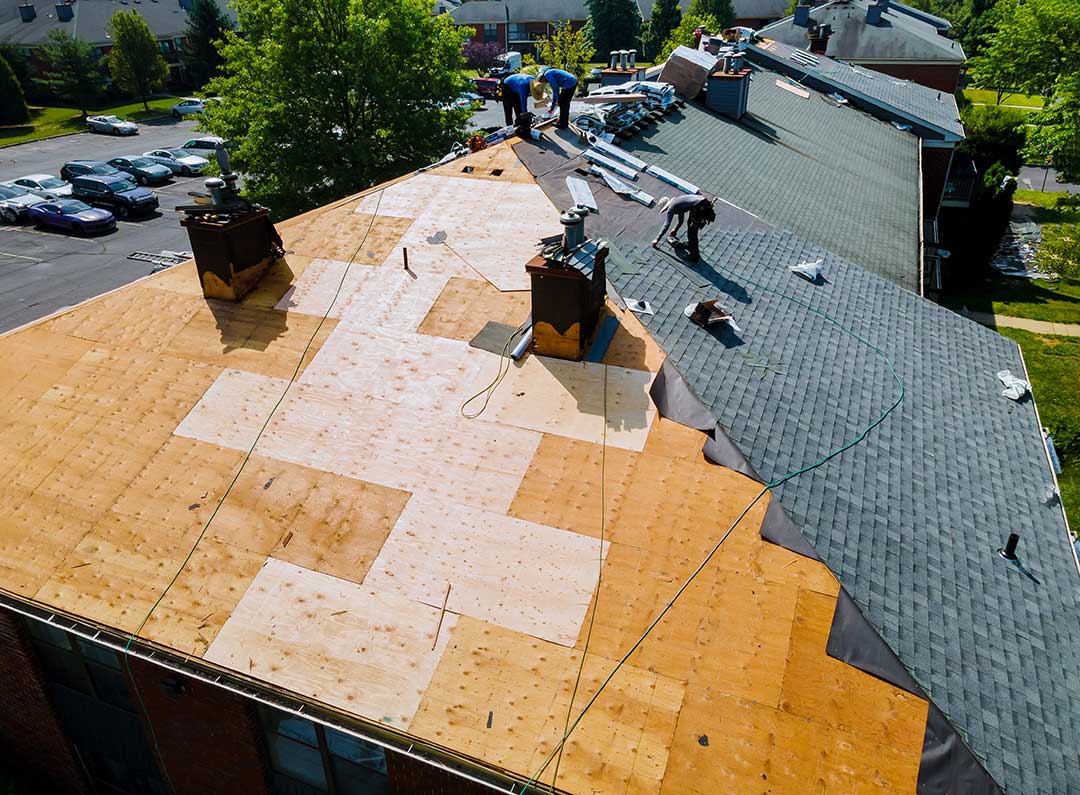
The durable solution depends on the defect. Some issues involve replacing a sealant joint, while others require removing nearby roofing materials and rebuilding the flashing layers.
How do weather and seasons affect flashing in Poughkeepsie?
Seasonal movement is a major factor. Metal, roofing materials, masonry, and wood expand and contract at different rates as temperatures change. Over time, that movement can stress seams, fasteners, and sealant joints.
Winter conditions create additional concerns:
- Snow can remain against wall intersections and chimneys.
- Ice may form near cold roof edges.
- Freeze-thaw cycles can open small cracks in masonry.
- Wind can lift loose flashing or nearby shingles.
- Spring debris can obstruct valleys and drainage paths.
In autumn, leaves and organic debris may collect around valleys, chimneys, and roof penetrations. Routine visual observation from the ground can help identify obvious problems, but climbing onto a roof or walking on snow and ice creates unnecessary fall hazards.
Can flashing be inspected without climbing onto the roof?
Some warning signs can be checked safely from the ground or from inside the attic. Look for visibly displaced metal, missing shingles, damaged chimney surfaces, and staining on attic wood or ceilings.
Inside the attic, inspect for:
- Darkened or water-marked roof decking
- Damp insulation
- Rust on nails or metal components
- Daylight visible around roof penetrations
- Soft or deteriorated wood
- Water trails below valleys or wall intersections
An attic inspection does not always reveal an active leak because water may enter only during certain weather conditions. It also cannot confirm the condition of flashing that is concealed beneath roofing materials.
Does roof replacement always include new flashing?
Not necessarily. Some flashing can be reused if it remains sound, correctly positioned, and compatible with the new roofing system. However, concealed or damaged flashing may not be practical to preserve.
Important considerations include:
- Whether the metal is corroded or cracked
- Whether fasteners remain secure
- Whether the flashing has adequate overlap
- Whether the surrounding roof materials can be removed without damage
- Whether the replacement roofing system requires different detailing
- Whether old sealants have failed
Replacing shingles while leaving deteriorated flashing in place can reduce the expected performance of the roof. Flashing is part of the roof’s water-management system, not merely a finishing detail.
When does a flashing problem require urgent attention?
Prompt attention is warranted when water is actively entering the home, when attic framing feels soft, when a chimney flashing component is visibly loose, or when a ceiling is bulging. Electrical fixtures near water stains add a safety concern because moisture may reach wiring or junction boxes.
A minor-looking exterior gap can still allow repeated moisture entry. The safest response is to limit interior damage, avoid disturbing wet electrical components, and arrange an appropriate inspection when conditions permit. Roof work becomes especially hazardous during storms, icy weather, or high winds.
Understanding flashing makes roof problems easier to recognize. It also explains why a roof can appear generally intact while still developing leaks at a chimney, valley, vent pipe, or wall intersection. Good flashing does not attract much attention, but its quiet job is to keep water moving outside where it belongs.
