

Fall is a practical time to inspect and maintain a roof before colder weather, wind, ice, and snow arrive. In Poughkeepsie, seasonal leaf buildup, freeze-thaw cycles, and older housing stock can make small roof problems more noticeable during late fall and winter.
Why should a roof be checked in the fall?
A fall inspection helps identify conditions that may lead to leaks or damage during winter. Missing shingles, clogged drainage areas, cracked flashing, and deteriorated sealants can allow water to enter once rain, ice, and snow become more frequent.
The goal is not to make unnecessary repairs. It is to find visible problems early, remove debris that holds moisture, and confirm that water has a clear path away from the roof and foundation.
A useful fall check should include:
- Shingles that are missing, lifted, cracked, curled, or unusually dark
- Exposed fasteners or gaps around roof penetrations
- Loose or damaged flashing near chimneys, skylights, vents, and wall intersections
- Sagging areas on the roof surface or along the eaves
- Leaves, twigs, moss, or other organic debris
- Gutters and downspouts that are blocked or pulling away from the structure
How should leaves and roof debris be removed?
Leaves should be removed carefully, especially from valleys, low-slope sections, gutters, and areas beneath overhanging trees. Roof valleys collect water from two roof planes, so debris in these locations can slow drainage and keep shingles damp.
Walking on a roof can damage shingles and creates a fall risk, particularly when surfaces are wet or covered with moss. From the ground, a person can use binoculars to inspect higher areas. A roof rake or extension tool may be suitable for limited debris removal from a safe position, but forceful scraping can dislodge protective roofing granules.
Debris should not be pushed into gutters without checking the downspouts afterward. A pile of leaves may appear to be gone from the roof while still blocking the drainage system below.
Moss and algae also deserve attention. Moss can hold moisture against roofing materials and may lift shingle edges as it grows. Aggressive pressure washing can shorten the life of shingles, so removal methods should avoid tearing, scraping, or stripping the surface.
What should homeowners inspect on shingles?
Healthy asphalt shingles generally lie flat and have an even appearance. Fall is a good time to look for changes that may signal aging or wind damage.
Inspect for:
- Shingles with corners or edges that curl upward
- Blistering, cracking, or exposed fiberglass mat
- Areas with excessive granule loss
- Dark streaks that may indicate algae growth
- Shingles that are loose, displaced, or missing
- Small piles of granules in gutters or at the base of downspouts
A few granules in a gutter are not automatically a sign of roof failure, especially after recent installation or a severe storm. However, a continuing increase in granule accumulation combined with bald-looking shingle areas may indicate surface deterioration.
After strong wind, check the ground for roofing fragments, but do not assume that no debris means the roof is undamaged. Wind can loosen shingles without dropping them immediately.
How do gutters and downspouts protect the roof?
Gutters collect runoff from the roof edge and direct it away from walls, windows, siding, and the foundation. A blocked or sagging gutter can cause water to back up beneath the roof edge or spill against the house.
Before freezing weather, confirm that:
- Gutters are securely attached and slope toward their outlets
- Downspouts are connected and free of visible obstructions
- Water discharges far enough away from the foundation
- Gutter seams and end caps are not leaking
- No section remains filled with standing water after rainfall
Downspouts should not empty directly beside the foundation. Water that repeatedly collects near the basement or crawl space can contribute to moisture problems, especially during periods of repeated freezing and thawing.
After cleaning, observe the system during the next rain. This can reveal overflow that is not obvious during a dry inspection.
Which roof details are easy to overlook?
Flashing is one of the most important details to inspect because it seals transitions where different materials meet. Look around chimneys, plumbing vents, skylights, dormers, roof-to-wall intersections, and areas where an addition meets the original structure.
Caulk alone is not a permanent substitute for properly installed flashing. Cracked sealant may be a symptom of movement, aging, or a larger water-shedding problem.
Also inspect attic spaces when accessible. Signs of trouble may include:
- Damp insulation
- Water stains on rafters or roof decking
- Musty odors
- Daylight visible through the roof surface
- Rust around fasteners or metal components
- Condensation on nails or the underside of the roof deck
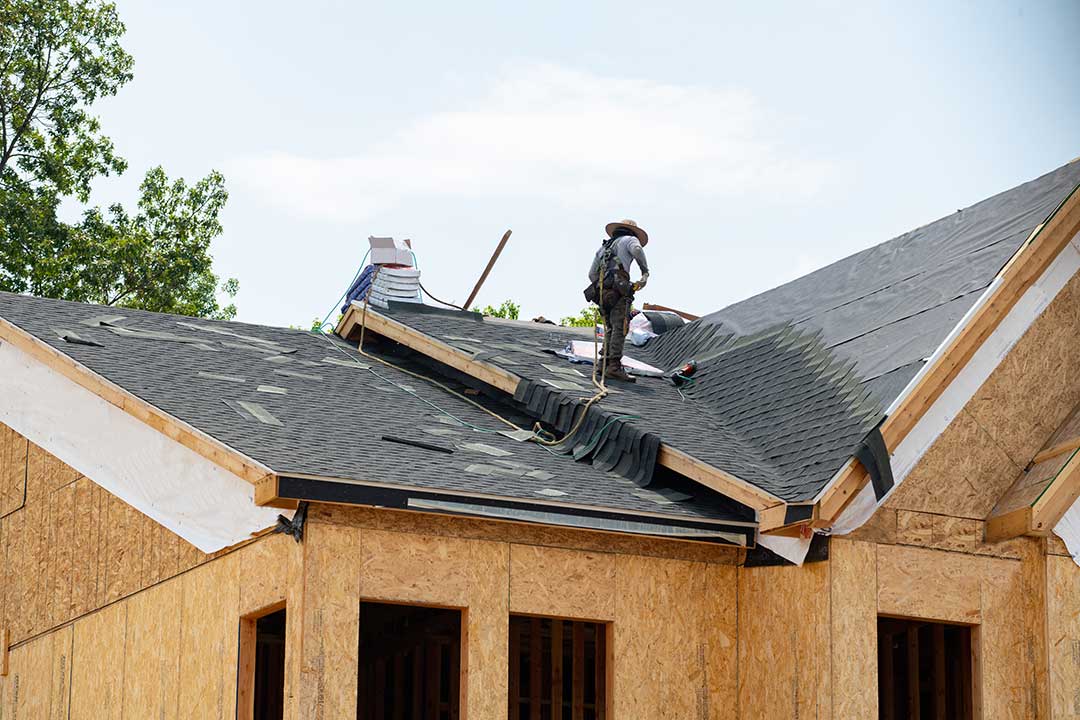
A roof leak does not always appear directly below the damaged area. Water can travel along framing before becoming visible on a ceiling or wall.
Does attic ventilation matter in the fall?
Yes. Attic ventilation and insulation affect how a roof handles temperature changes, moisture, and winter conditions. Warm air escaping into a cold attic can create condensation, which may resemble a roof leak.
Vents should remain clear of leaves, nests, and insulation blockage. However, vents should not be modified casually. Adding or covering vents without considering the entire attic system can create airflow problems.
Bathroom and kitchen exhaust fans should discharge outdoors through properly sealed ducts rather than into the attic. Moist indoor air entering the attic can increase condensation during cold weather.
Good attic performance usually depends on a balanced system that includes adequate insulation, controlled air sealing, and unobstructed intake and exhaust ventilation.
What should be done after a fall storm?
After strong wind or heavy rain, inspect the roof from the ground and check interior ceilings and upper walls. Pay particular attention to rooms beneath valleys, chimneys, skylights, and roof penetrations.
If water is actively entering, place a container under the drip and move furniture or other belongings away from the area. Avoid entering an attic if the floor is wet, electrical components may be affected, or the roof structure appears unstable.
Emergency conditions include:
- A large section of missing roofing
- A sagging roof surface or ceiling
- Water near electrical wiring or fixtures
- A fallen tree or heavy branch on the roof
- Extensive interior water entry
These situations may require prompt help because delaying action can increase structural, electrical, or mold-related risks.
Is roof cleaning necessary before winter?
Not every roof needs cleaning before winter. Loose leaves and branches should be removed, but routine cleaning should not involve harsh chemicals, pressure washing, or abrasive tools that damage the roofing surface.
If moss or heavy organic growth is present, the appropriate treatment depends on the roofing material, slope, age, and extent of growth. The safest approach is to avoid climbing on steep, wet, or deteriorated areas.
Roof maintenance also includes nearby trees. Limbs that rub against shingles can cause abrasion, while overhanging branches drop leaves and may break during wind or wet snow. Tree work can be hazardous and may require qualified assistance when branches are near power lines or structures.
When is a roof problem urgent?
A small cosmetic issue is not always urgent, but active leaks, exposed underlayment, significant shingle loss, structural sagging, and damaged flashing around major openings should not be ignored.
Repairs may also be limited by weather. Roofing materials often require suitable temperatures and dry conditions for proper sealing and installation. If a permanent repair cannot be completed immediately, temporary protection may reduce additional water entry, but temporary measures should not be treated as a long-term solution.
Regular observation, careful debris removal, and timely attention to drainage can help a roof handle the colder months with fewer surprises. For local residents, fall maintenance is mainly about keeping water moving, identifying damage before snow and ice arrive, and avoiding unsafe work on elevated or deteriorated surfaces.
