
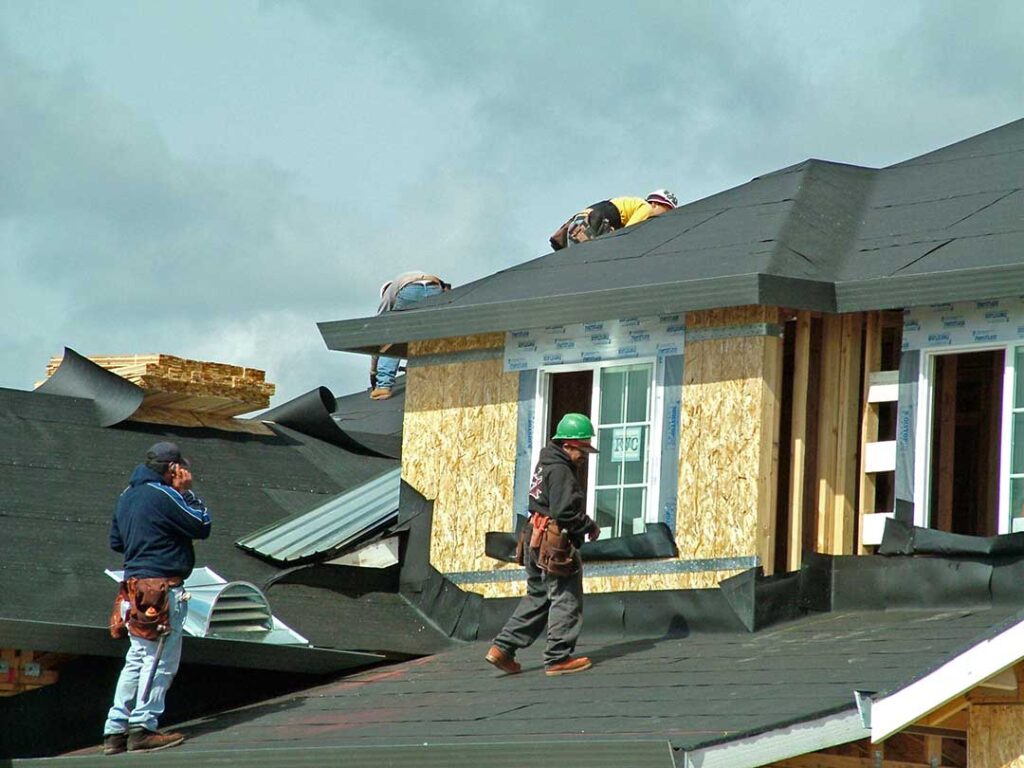
What Is the Real Difference Between Flat and Sloped Roofs?
Flat roofs and sloped roofs serve the same basic purpose—to protect a home from weather—but their designs offer distinct advantages and challenges. In Poughkeepsie, NY, with its mix of older neighborhoods and newer developments, both styles can be found, each suiting different needs, building styles, and local conditions.
A flat roof is almost level, with a slight pitch just for drainage, while a sloped roof is angled, most commonly seen on traditional houses. The type you choose can shape maintenance routines, attic space, curb appeal, and heating bills—especially in a region with cold winters and leafy autumns.
Do Weather and Season Matter More in Poughkeepsie?
Yes—seasonal weather has a major impact on roof performance. Poughkeepsie has cold, snowy winters and humid summers, which each style handles differently.
- Sloped roofs: The angle allows snow and rain to slide off more easily, reducing the risk of heavy snow accumulation and ice dams. Melting snow drains quickly, minimizing water pooling and leakage risks, which is particularly useful after Nor’easters or late-winter storms.
- Flat roofs: While this style is durable, snow and ice can linger longer, requiring vigilant snow removal in heavy winters. Flat roofs use special materials and drainage systems, but if leaves block drains in autumn, pooling water could lead to leaks during freeze-thaw cycles.
For Poughkeepsie households, this means sloped roofs often involve fewer wintertime concerns, though flat roofs are popular for modern homes and certain historical structures.
Which Roof Style Costs More to Build and Maintain Here?
For residents weighing budgets, installation and repair costs often influence roof decisions.
- Sloped roofs typically cost more upfront due to more complex framing and more roofing material. However, the design sheds water and debris reliably, so periodic maintenance (like gutter cleaning or shingle replacement) is usually predictable.
- Flat roofs are less expensive to install, especially on large buildings. But over time, routine inspections and proactive maintenance are essential. Flat roofs may need more frequent repairs, especially where pooling water or freeze-thaw cycles occur. Material and labor costs can add up if issues aren't addressed quickly.
Local homeowners’ insurance may also calculate risk differently based on roof style, potentially reflecting in premiums.
Are Some Roofs Better for Energy Efficiency in the Area?
Energy efficiency is often influenced by both roof type and insulation quality.
- Sloped roofs create a natural attic space, which allows for thicker insulation layers and easier venting. This extra buffer can help keep houses warmer in winter and cooler in summer.
- Flat roofs, common on townhouses or row homes, can be designed for energy efficiency but may be harder to insulate deeply. Modern materials and insulation boards help, but careful installation is key to avoiding thermal leaks.
In the climate of the city, where both summer heat and winter cold are concerns, the insulation and ventilation setup are as important as roof style.
How Do Different Roofs Affect Home Design and Use of Space?
Flat and sloped roofs change both the exterior look and interior potential of a home.
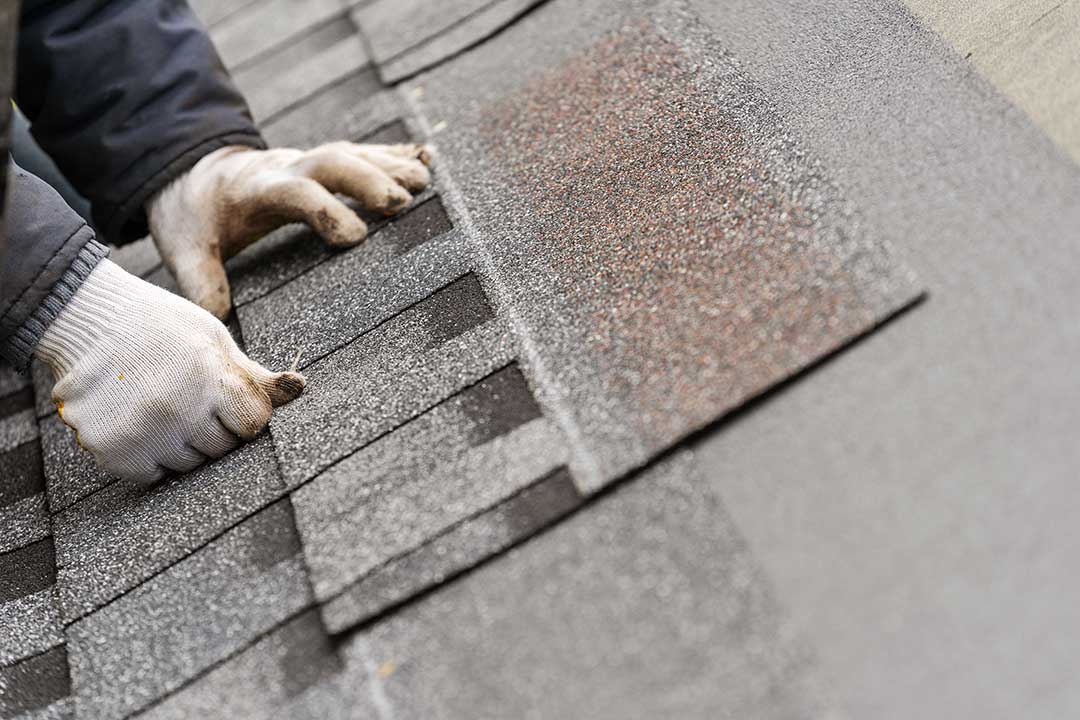
- Sloped roofs create classic silhouettes seen across local neighborhoods and allow for lofts, cathedral ceilings, or attic storage.
- Flat roofs are favored for modern aesthetics and maximize usable space below. Some area residents use flat roofs as rooftop gardens, decks, or patios, though these uses add to maintenance demands and may require additional permitting.
Building codes and historical guidelines in certain Poughkeepsie districts may guide choices toward styles and materials that fit with local architectural patterns.
What Is Needed for Maintenance and Repairs?
Ongoing care requirements are an important consideration for both roof types, especially given the seasonal extremes in the region.
- Sloped roofs typically require regular inspections for damaged shingles, ventilation checks, and gutter cleaning to keep water moving off the roof smoothly.
- Flat roofs should be checked for blockages at drains, signs of pooling, and cracks or bubbles in the surface membrane. After significant snowfall, extra attention is advised to prevent excess weight from stressing the roof structure.
Making minor repairs on a flat surface may be safer for homeowners with experience, but any roof work above ground level deserves caution due to slip risks, especially after rain or during icy spells.
Are There Common Misconceptions About Either Roof Type?
Yes. One misconception is that flat roofs are always problematic in snow zones—they can be reliable if built and maintained properly, with a slight pitch and functional drainage. On the other hand, some believe that sloped roofs never need maintenance; however, high winds, hail, or falling branches can loosen shingles or create leaks regardless of slope.
How Should Residents Choose Between Flat and Sloped Roofs?
Deciding on a roof style depends on the house’s structure, personal preferences, neighborhood style, and willingness to keep up with maintenance. Those wanting classic home looks, superior drainage, or attic space may lean toward sloped roofs. Homeowners interested in modern design, maximizing rooftop utility, or minimizing initial costs may be drawn to flat roofs.
Area residents benefit from understanding how each roof type handles Poughkeepsie’s wet springs, snowy winters, and leafy autumns to make an informed decision that matches both their home and their routines.
