

Why Is Roof Drainage So Critical for Homes in Poughkeepsie, NY?
Proper roof drainage prevents water from pooling on rooftops, which can lead to leaks, structural damage, and ice damming—significant concerns for area homeowners. With the seasonal rains and heavy winter snowfall experienced in Poughkeepsie, managing roof runoff is essential to protect both the home’s structure and its interior.
The city’s climate brings frequent rainfall and melting snow. When drainage systems are inadequate or blocked, excess moisture can seep into attics or exterior walls, causing wood rot, mold, and even foundation issues.
What Are the Main Components of an Effective Roof Drainage System?
A complete drainage system typically includes gutters, downspouts, flashing, and roof slope. Each has a specific role in guiding water off the roof quickly and safely.
- Gutters: Channels attached along the eaves to collect water runoff.
- Downspouts: Vertical pipes directing water from gutters to the ground or drainage system.
- Flashing: Metal pieces installed at roof junctions and valleys to keep water from seeping under shingles.
- Roof pitch: Steeper roofs naturally shed water faster, reducing pooling risks.
Older homes in Poughkeepsie sometimes lack modern drainage, while newer constructions are usually designed with these elements in mind.
How Should Gutters Be Maintained for Year-Round Function?
Regular cleaning and inspection ensure gutters remain free-flowing—even during the abundant leaf drop in local neighborhoods during autumn.
- Debris removal: Clean gutters at least twice a year (spring and late fall) to remove leaves, twigs, and shingle granules.
- Check for sagging or leaks: Heavy snow and ice can loosen supports or cause cracks, leading to overflows.
- Inspect downspouts: Make sure water exits at least several feet from the foundation to prevent pooling around the basement or crawl space.
- Test after storms: Heavy rains reveal underlying problems—look for overflows or water not draining from downspouts.
Homeowners often overlook gutter slope. Gutters should pitch slightly (about 1/4 inch per 10 feet) toward the downspout for efficient flow.
What Roof Drainage Challenges Are Common in Poughkeepsie’s Climate?
Seasonal challenges include ice dam formation, windblown debris, and late-spring rains that can quickly overwhelm gutters if blocked.
- Ice dams: Form when heat from the attic melts snow on the roof, which then refreezes at the eaves. Ice dams block gutters and force water back under shingles.
- Overflow from clogged gutters: Deciduous trees common throughout the community contribute to rapid leaf build-up in gutters each fall.
- Splashback and erosion: Improperly directed downspouts can erode planting beds or create muddy patches near foundations.
Proper attic insulation and ventilation help prevent ice dams. Splash blocks, downspout extensions, and well-placed landscaping control water flow at ground level.
What Are the Signs of Poor Roof Drainage?
Spotting problems early can save significant repair costs. Signs often develop gradually and may be most visible after storms or thaw cycles.
Look for:
- Water stains or streaks on siding and foundation
- Mold or mildew growth near the roof edge or attic
- Overflowing gutters or water running down the exterior walls
- Erosion, soggy patches, or pooling near the home's base
- Sagging or misshapen gutters
Checking the attic for damp insulation or water trails is especially valuable in older homes.
Are Gutter Guards Recommended in Poughkeepsie?
Gutter guards or covers can reduce maintenance, but they are not foolproof—particularly in neighborhoods with fine pollen or pine needles.
- Mesh or micro-mesh covers block larger debris and most leaves
- Solid-surface guards direct water into the gutter while letting leaves slide off
- Even with guards, periodic inspection is necessary; small debris and seeds can still accumulate
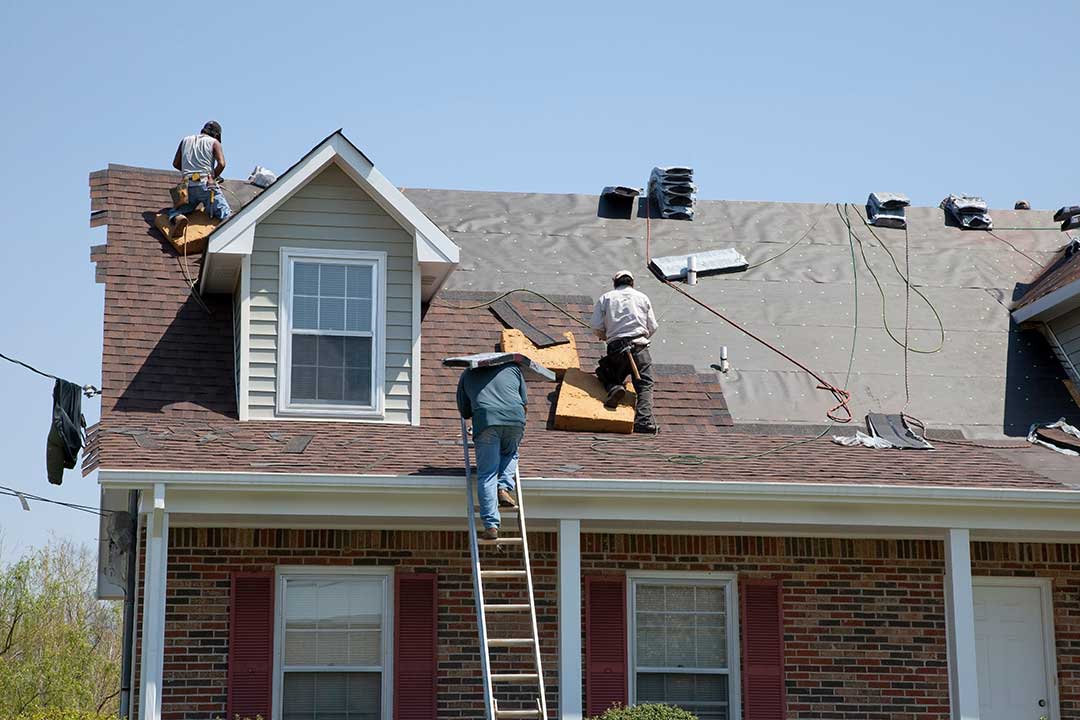
For homes surrounded by large, mature trees, gutter guards can lessen fall maintenance but should be evaluated for fit and performance during local weather extremes.
How Does Roof Slope Affect Drainage?
The roof’s pitch determines how quickly water is shed.
- Steep slopes: Water and snow slide off more readily, reducing risk of pooling but increasing the speed at which water enters gutters.
- Low slopes or flat roofs: Present extra drainage challenges; require scuppers, internal drains, or special membrane systems.
Houses in certain neighborhoods, especially historic properties, may have less steep rooflines, making regular maintenance even more crucial.
How Should Downspout Placement Be Handled?
Downspouts should always release water far enough away from the home’s foundation to avoid moisture problems below ground level.
- Position downspouts at every low point of the gutter system.
- Extensions or splash blocks can help route water a safe distance from the structure.
- Avoid directing flow toward walkways or neighboring properties.
Where storm sewers are accessible, connecting downspouts (if allowed by local rules) can be a solution for larger roofs.
What Are Common Roof Drainage Mistakes to Avoid?
Some errors can increase risk and lead to significant repair bills, especially in areas with variable weather.
Avoid:
- Letting debris build up, especially after windstorms or autumn leaf drop
- Neglecting regular gutter inspections and maintenance
- Failing to reattach or realign sagging gutters quickly
- Using undersized gutters or too few downspouts for roof size
- Letting water discharge too close to the house
Misconceptions also exist regarding DIY fixes; for example, over-sealing joints can trap water rather than improve flow.
When Should Residents Seek Professional Help?
Most maintenance is within the ability of local homeowners, but situations involving steep roofs, high two-story gutters, or difficult-to-access areas pose safety risks. Mold within attics, signs of wood rot, or structural damage to the roof edge are bigger issues that may require assessment by those with the right expertise and equipment.
For most households in Poughkeepsie, a well-maintained roof drainage system means fewer leaks, longer roof lifespans, and more effective protection during the city’s diverse seasons.
