
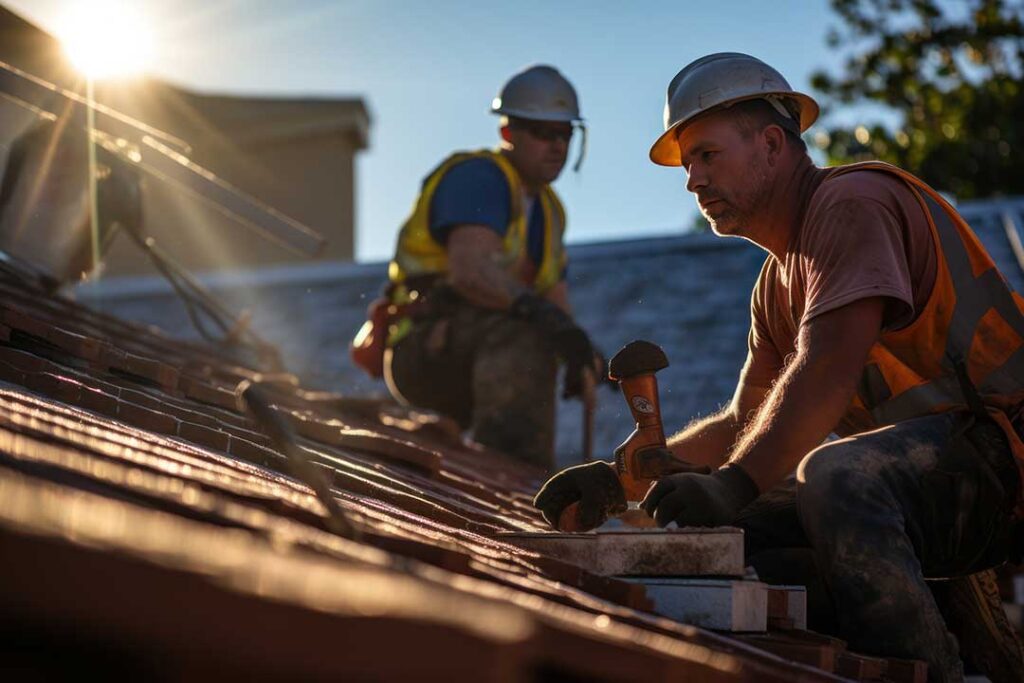
What Is Roof Pitch?
Roof pitch describes the steepness or angle of a roof, typically measured as the amount of vertical rise over a 12-inch horizontal run. For example, a roof with a "6/12 pitch" rises 6 inches for every 12 inches it runs horizontally. Roof pitch can range from almost flat (low slope) to very steep, depending on the design of a home and local considerations.
This measurement plays a crucial role in a roof’s ability to shed water, support snow loads, and even determine roofing material options. For homeowners in Poughkeepsie, having a basic understanding of roof pitch is essential for making informed decisions about maintenance, repairs, and replacement.
Why Does Roof Pitch Matter in Poughkeepsie?
Roof pitch affects how well a roof handles local weather. In an area like Poughkeepsie, where winters can bring significant snowfall and strong rainstorms aren’t unusual, the angle of a roof helps direct water and snow off the structure efficiently.
- Snow Shedding: Steeper roofs allow snow to slide off more readily, minimizing the risk of ice dams and heavy accumulations that may put stress on rafters.
- Water Drainage: Adequate pitch improves rainwater runoff, reducing the likelihood of leaks and water pooling.
- Material Choices: Some popular roofing materials used in the city are only recommended for certain slopes due to drainage requirements.
- Historical Homes: Many older homes in the area have distinct roof pitches, reflecting both architectural trends and adaptation to the local climate.
How Is Roof Pitch Measured?
Measuring the slope of a roof can be done from the attic or on the exterior. The most common method uses a level and a tape measure:
1. Place the level horizontally on the roof surface.
2. Mark a 12-inch point on the level.
3. Measure the vertical distance from the roof surface up to the bottom of the level at the 12-inch mark.
This distance is the rise, expressed as "X/12." For example, if the rise is 6 inches, the slope is 6/12.
Local building codes in Poughkeepsie generally specify minimum pitches for different roof types to ensure safety and performance in the local climate. Most residential roofs in the area have pitches between 4/12 and 12/12, but flat or nearly-flat roofs are also found, especially on additions and some older buildings.
What Roof Pitches Are Common in the Area, and Why?
Typical single-family homes and historic houses across the city display a range of roof slopes:
- Low Slope (2/12 to 4/12): Found on some ranch-style and mid-century homes. These require special membranes to prevent leaks, as rain and snow don’t shed as quickly.
- Medium Slope (4/12 to 9/12): The most common for area homes. These offer a balance of effective water drainage and ease of maintenance.
- Steep Slope (10/12 and above): Less common but seen on older Victorian or Gothic Revival homes. These excel at shedding heavy snow, important during harsh winters.
In Poughkeepsie, many neighborhoods with mature trees and older construction feature more pronounced rooflines, partially to deal with seasonal snowfall while maintaining historic aesthetics.
Does Roof Pitch Affect Roofing Material Options?
Yes, the angle of a roof directly impacts which materials are suitable and how they must be installed.
- Asphalt Shingles: Typically require at least a 2/12 pitch, but perform best at 4/12 or greater.
- Metal Roofing: Compatible with low and steep slopes, making it a versatile choice for many area homes.
- Membrane Roofing (EPDM, TPO): Often used for flat or very low-slope roofs found on some garages and porches.
In areas where wind-driven rains or heavy snows are frequent, like Poughkeepsie, material selection should consider both local performance and manufacturer guidance for the specific pitch.
Does Roof Pitch Influence Attic Space and Ventilation?
A steeper roof creates more attic space, which can improve insulation options and future storage or expansion. It also impacts ventilation, crucial for preventing winter ice dams and summer heat buildup in local homes.
- Lower Pitches: Limited attic area and may pose challenges for installing insulation to recommended levels for energy efficiency.
- Steeper Pitches: Allow for larger attics, better airflow, and enhanced opportunities for ridge and soffit venting, which is vital during humid summers and icy winters.
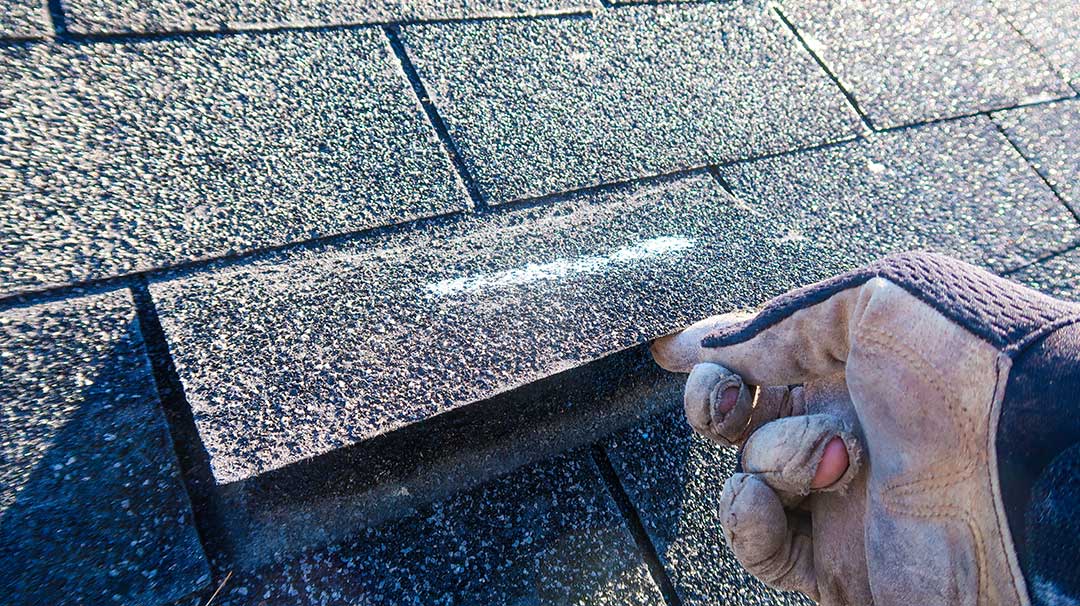
Proper ventilation, tailored to the actual roof slope and local conditions, helps protect roof integrity and comfort year-round.
Are There Regulations or Permits Related to Roof Pitch in Poughkeepsie?
Most roofing projects altering structure or pitch require a permit from the local building department. Area building codes often reference pitch when defining minimum safety standards—especially for drainage, snow load, and fire safety.
For example, flat or low-slope roofs must meet membrane system requirements, while higher-pitched roofs are regulated for proper anchoring against wind uplift. Local inspectors may check pitch during both initial construction and whenever significant roofing changes are made.
Before changing the pitch of an existing roof, homeowners should verify requirements with the city’s permitting office and consider how changes might affect drainage, neighborhood aesthetics, and even historical preservation guidelines in designated districts.
What Are Common Misconceptions About Roof Pitch?
Several misunderstandings persist among homeowners:
- Flat Roofs Are Truly Flat: Even flat roofs have a slight pitch (usually 1/4 inch per foot) to allow for drainage. A completely flat roof would quickly develop water problems.
- Steeper Is Always Better: While a steeper roof sheds snow and water more quickly, it can be more expensive to build and maintain, and may not suit every local architectural style.
- Pitch Is Only About Appearance: Though rooflines give houses their character, a roof’s slope primarily serves functional purposes tied to protection from the elements.
How Should Residents Approach Roof Pitch Decisions?
Roof pitch choices are closely tied to maintenance, longevity, and performance in the climate of Poughkeepsie. Those considering major renovations or additions should think about:
- The age and design of their home
- Typical winter snowfall and seasonal rain
- Preferred roofing materials and their suitability for different slopes
- Potential use of attic space after changes
Discussing options with building professionals can help residents understand the code, comfort, and design implications of any roof slope alterations. Maintaining the right pitch helps ensure both long-term durability and year-round comfort for local households.
