
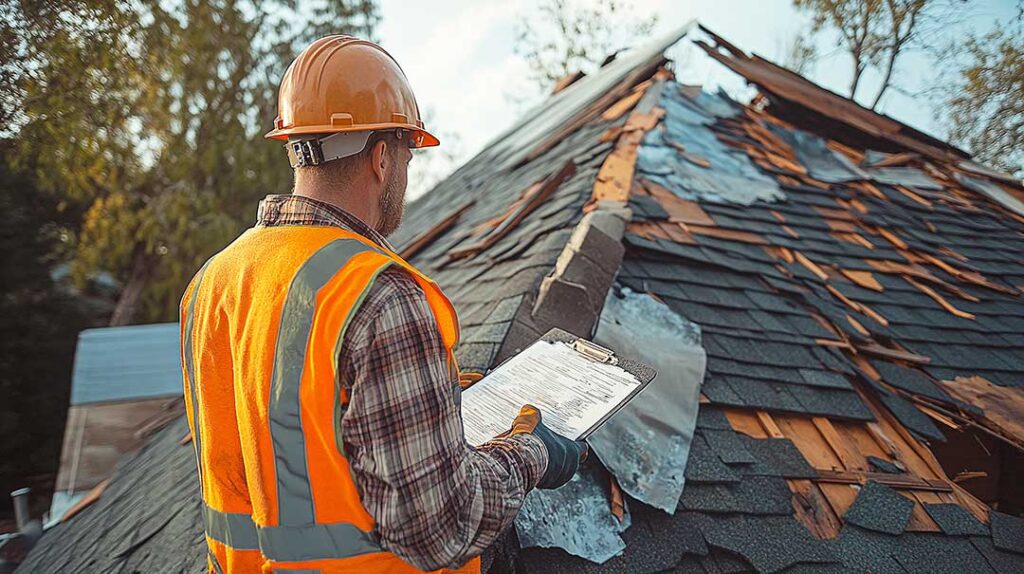
What Should You Check First After a Storm Passes?
After a severe storm in Poughkeepsie, NY, start by inspecting the area around your home before moving to the roof itself. Walk around the property and look for easily visible signs that could indicate roof issues. These include fallen branches, scattered shingles on the ground, or visible damage to gutters and siding. If you see roof debris on the lawn or notice sections of downspouts on the ground, your roof may have sustained some impact.
Next, perform a slow, careful visual scan of the roof from ground level or through upper-story windows whenever possible. Avoid climbing onto the roof unless you are certain it is safe. Many residents rely on binoculars or a smartphone camera with zoom to check for signs such as missing shingles, exposed underlayment, or unusually dark or shiny patches.
What Damage Is Common in the Area After Severe Weather?
Heavy rains, wind gusts, hail, and snow are all part of the local weather. In Poughkeepsie, roofs are often affected in ways that may not be immediately obvious. Shingles might be loosened or lifted without actually blowing off, which can compromise water resistance during continued rainfall. Hail can leave behind small divots, cracks, or bruising that weaken shingle integrity and may not leak right away.
Watch for these specific concerns common to homes in the city:
- Dislodged shingles or flashing, especially near roof edges, valleys, and around chimneys or vents
- Bent, dented, or detached gutters and downspouts that change the way water drains from the roof
- Dark streaks or patches, which could indicate areas where the shingle’s granular surface was stripped away by hail or wind-driven rain
How Can You Safely Inspect for Leaks and Interior Damage?
Begin indoors. After storms, check your attic and ceilings for water stains, moisture, or a musty odor. Even small leaks can quickly cause damage if not addressed, and in homes with older roofs, leaks can sometimes travel along rafters and reveal themselves far from their origin.
In the living space, notice:
- Discoloration on ceilings or upper walls
- Peeling paint or bubbling wallpaper
- New drips or water sounds after a storm
If accessible and safe, the attic can offer valuable clues—look for damp insulation, wet wood, or daylight coming through the roof deck.
Are All Signs of Roof Damage Obvious?
Many residents assume that unless shingles are missing or ceilings are dripping, the roof is fine. However, subtle or delayed symptoms are common, particularly after storms. Granular loss, which can look like piles of black sand in gutters or at downspout exits, signals shingle wear from hail or wind. Shingles that curl upward or appear uneven sometimes indicate underlying problems, even if they remain attached.
On flat or low-slope roofs, pooling water and soft spots can occur without being immediately evident from the ground. Ice damming in winter is another overlooked hazard, as it allows water to back up under shingles and leak into the home even after the weather has cleared.
When Is It Unsafe to Inspect or Repair a Roof Yourself?
Safety must come first, especially when storms create slippery surfaces or hidden structural issues. Never climb onto a roof if:
- Debris covers the surface, creating tripping hazards
- The roof looks damaged or feels unstable underfoot
- There are electrical wires down in the vicinity
- The weather remains unsettled or windy
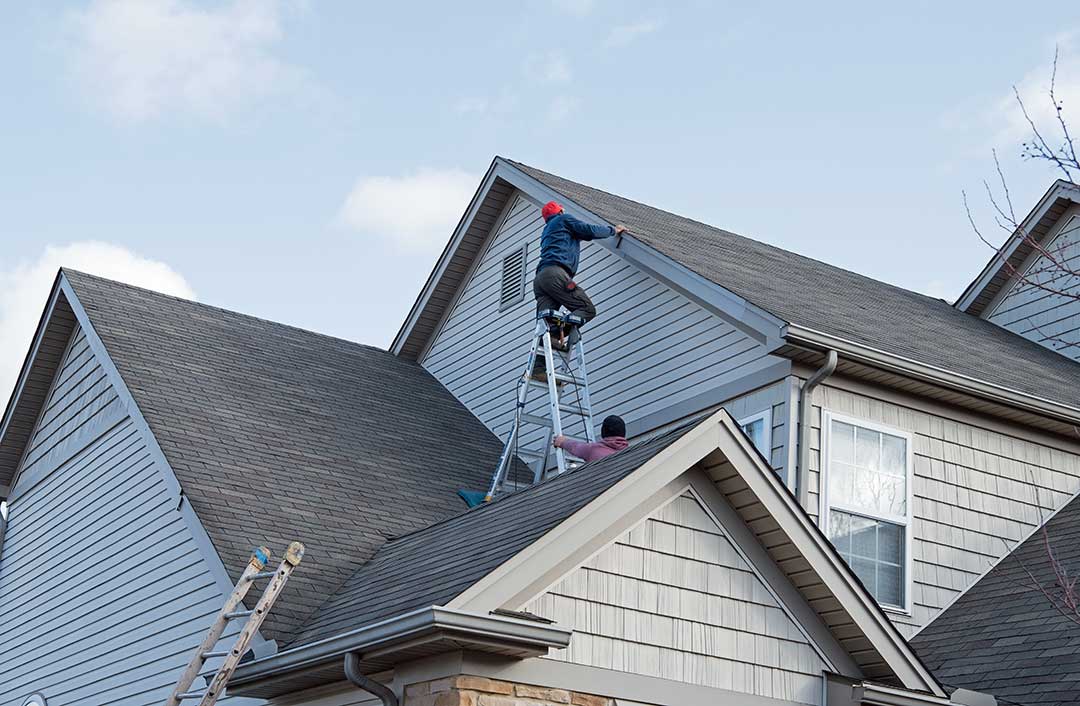
In these situations, it's best to monitor the situation from a safe vantage point and use remote tools like binoculars or cameras to check conditions.
What Mistakes Do Homeowners Often Make After Roof Storms?
A rush to return to normal can lead to missed or compounded problems. Common missteps in the community include:
- Ignoring small signs of damage that later develop into expensive leaks
- Attempting temporary fixes, such as tarping, without fully understanding what lies underneath
- Overlooking hidden areas, such as behind chimneys, vent pipes, or along gutters, where water can infiltrate
Some households neglect routine follow-up checks after the first storm of the season, missing damage that only becomes visible as time passes or during later weather events.
How Does Poughkeepsie’s Climate Affect Roof Durability?
The area’s seasonal cycles—wet springs, hot summers, and icy winters—mean that storm-related problems can worsen over time. Repeated freeze-thaw cycles cause materials to expand and contract, stressing compromised shingles and flashings. Roofs in the region often show more wear on sides exposed to prevailing winds or overhanging trees, which are more susceptible to branches knocking loose materials during a storm.
Routine monitoring, especially after each significant weather event, can help catch issues early and prevent escalation. Use weather reports, local advisories, and neighborhood observations as cues to double-check your home.
What Should Residents Document After Discovering Damage?
Accurate records are invaluable for future maintenance and, if needed, insurance purposes. Poughkeepsie homeowners can benefit from taking photos or short videos of:
- Damaged areas of the roof from multiple angles
- Interior water stains or visible leaks
- Debris found on the property that may have contributed to roof impact
Jot down the date, details of the storm event, and areas inspected, even if no issues are found. This type of documentation creates a useful home record for ongoing care and can assist in discussions with insurers or local agencies if required.
