
What Are Green Roofing Options?
Green roofing refers to a variety of roofing systems designed to be environmentally friendly, either by supporting living vegetation, increasing energy efficiency, or using recycled materials. The main types include vegetative (or "living") roofs, cool roofs (reflective materials), and roofs made from recycled or sustainably sourced resources. In Poughkeepsie, most homeowners interested in green roofs are drawn to their potential for energy savings and positive environmental impact.
How Do Green Roofs Perform in the Poughkeepsie Climate?
Green roofs can work in Poughkeepsie's four-season climate, but success depends on the type installed and how it’s maintained. A brief overview:
- Vegetative roofs (layers of soil and plants) insulate well against both summer heat and winter cold, but require careful consideration of waterproofing, drainage, and plant selection suited to local fluctuations in temperature and precipitation.
- Cool roofs—white or highly reflective surfaces that limit heat absorption—help reduce summer cooling costs, which can be significant during hot, humid spells.
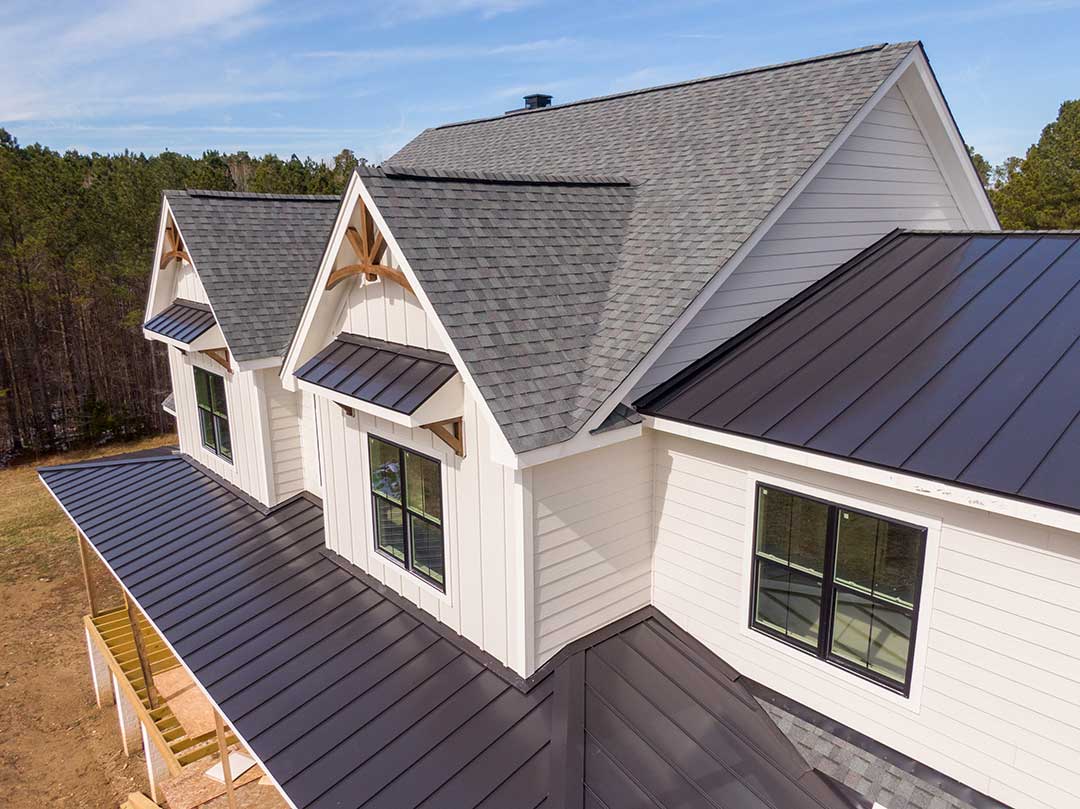
- Recycled and sustainably sourced-material roofs (such as metal or composite shingles) handle the area’s freeze-thaw cycles better than some conventional shingles and do not require special maintenance for local winters.
Are Green Roofs Cost-Effective for Area Residents?
Initial installation costs for green roofing are generally higher than for standard asphalt shingles, especially for vegetative systems that require extra structural support, waterproofing, and ongoing maintenance. However, many area residents find that long-term savings can offset some upfront expenditures:
- Cool or reflective roofs may lower summer cooling bills, especially in older homes lacking strong attic ventilation or insulation.
- Vegetative roofs offer the best insulation, often reducing both heating and cooling expenses, but these savings rarely outweigh the added costs for a typical single-family home over 20 years.
- Roofs with recycled content may be slightly more expensive at first but tend to last much longer than basic asphalt shingles, resulting in fewer replacements and less waste.
Keep in mind that local utility incentives for green roofing are less common than for solar panels.
Is Maintenance Harder with These Roof Types?
Vegetative green roofs require the most care. Homeowners must periodically weed, check plant health, ensure drains aren’t clogged, and watch for membrane leaks. In the region's freeze-thaw cycles, root systems and drainage layers need to be resilient enough to handle ponding water and ice.
Cool roofs and recycled-material roofs demand little more annual maintenance than standard roofs—just routine cleaning and checks after storms or heavy snow.
For houses with steep pitches or limited roof access, even minimal extra maintenance can be a challenge, especially during icy winters. Flat or gently sloped roofs are much better candidates for intensive green systems.
Are There Local Regulations or Barriers to Consider?
Most Poughkeepsie residential neighborhoods follow the latest building codes, which increasingly mention green roof technologies. However, vegetative green roofs in particular may require extra permitting, architectural review, and proof that the building can bear the extra weight—especially if retrofitting an older home.
Homeowners associations and historic district guidelines may also restrict changes to visible roofing. While recycled-content shingles and cool roofs usually blend in with local architectural styles, living roofs can present aesthetic concerns for neighbors or governing bodies.
What Environmental Benefits Are Realistic in Poughkeepsie?
- Vegetative roofs can help manage stormwater by absorbing local rainfall, which reduces runoff and the risk of overwhelmed storm drains during periods of heavy precipitation.
- Cool roofs may help limit the urban heat island effect, though this is less pronounced in Poughkeepsie compared to more densely urbanized centers.
- All forms of green roofing cut down on landfill waste when they last longer or use recycled supplies.
- While roof gardens support pollinator insects (bees, butterflies) and provide small wildlife habitats, on single-family homes or low-rise buildings this benefit is much less pronounced than on larger complexes or municipal buildings.
What Are Common Misconceptions About Green Roofing?
Many assume that green roofs are maintenance-free. In reality, living roofs are more like a garden than a shingle surface—periodic care is required, especially to keep drains, soil, and plants healthy year-round.
Another misconception is that green roofs always recoup their extra cost. For most families, greatest savings come not from energy bills but from fewer roof replacements if more durable materials are chosen.
Finally, some believe that green roofs prevent all ice dams or leaks. While they do help moderate temperatures, Poughkeepsie’s frequent freeze-thaw swings and heavy wet snowfalls still require attention to insulation, sealing, and drainage with any system.
How Can Area Residents Decide Whether It’s Worth It?
The value of a green roofing system depends on the home’s structure, the owner’s maintenance comfort, and budget for upfront costs. A strong candidate for a green roof in the city:
- Has a flat or gently sloped roof with reliable access for maintenance
- Is well-insulated and waterproofed already
- Can benefit from reduced cooling (and possibly heating) costs
- Isn’t limited by neighborhood appearance rules or structural restrictions
For many area households, simply choosing a more durable or recycled-content roofing material may be the greenest cost-benefit choice. Those seeking the highest environmental benefit—and able to invest more time and budget—may find vegetative roofs rewarding if plans align with local building codes and seasonal realities.
