
Roof problems rarely become expensive all at once. More often, a small defect allows water, moisture, wind, or cold air to enter gradually. By the time the damage is visible inside the home, the original roofing issue may have affected insulation, wood, ceilings, electrical components, or indoor air quality.
For homeowners in Poughkeepsie, seasonal weather makes delayed maintenance especially risky. Heavy rain, snow, ice, freeze-thaw cycles, wind, and summer heat can all place additional stress on aging or damaged roofing materials.
What happens if a small roof problem is ignored?
A minor roof defect can allow water to travel farther than expected before it appears indoors. A loose shingle, cracked flashing seam, lifted membrane edge, or blocked drainage area may seem isolated, but water can move beneath roofing layers and along rafters or ceiling materials.
Early warning signs may include:
- A small ceiling stain
- Damp attic insulation
- Peeling paint near the ceiling
- Musty odors
- Granules collecting in gutters
- Water marks around skylights, chimneys, or roof penetrations
- Shingles that are curled, cracked, loose, or missing
A stain that dries after a storm does not necessarily mean the problem has stopped. Moisture may remain trapped above the ceiling or inside insulation, where it can continue causing damage between rain events.
Why does roof damage become more expensive over time?
Roofing systems are made of several layers, including the outer covering, underlayment, flashing, decking, insulation, and structural supports. A failure in the outer layer may initially require limited repair. Continued moisture exposure can affect the layers below it.
The cost increases when damage spreads from the roofing material into:
- Roof decking that becomes soft or deteriorated
- Rafters or trusses affected by prolonged moisture
- Insulation that loses effectiveness after becoming wet
- Drywall, plaster, paint, or trim
- Flooring and wall finishes
- Electrical wiring or light fixtures near a leak
- Stored belongings in attics or upper rooms
Water can also travel horizontally along framing before becoming visible. This is why the location of an indoor stain may not match the exact location of the roof defect.
How do Poughkeepsie winters affect neglected roof problems?
In Poughkeepsie, cold weather can turn a manageable roof issue into a more complicated one. Water that enters a roofing assembly may freeze, expand, and place pressure on seams, cracks, and joints. Repeated freezing and thawing can widen small openings.
Snow and ice can also add weight to a roof, particularly when accumulation is wet and dense. Poor attic ventilation or insufficient insulation may contribute to uneven roof temperatures, which can encourage ice buildup along colder roof edges. The resulting water may work beneath roofing materials and enter at vulnerable areas.
Winter conditions can also delay inspection or repair work. A problem discovered during a storm or freezing weather may be harder to evaluate safely and may continue developing until conditions improve.
Can ignoring a leak cause mold or indoor air problems?
Yes. Mold growth is more likely when building materials remain damp, especially in dark, poorly ventilated areas such as attics, wall cavities, and ceiling spaces. Wet insulation can hold moisture for extended periods, while damp wood may support fungal growth and decay.
A musty smell does not identify the exact source, but it can indicate that moisture is present somewhere in the building. Visible mold, recurring dampness, or persistent odors deserve prompt attention because cleaning the visible area alone may not address wet materials behind it.
People with asthma, allergies, or other respiratory sensitivities may be more affected by damp indoor conditions. Roof leaks should therefore be treated as building-moisture problems, not merely cosmetic ceiling issues.
What damage can occur if attic moisture is overlooked?
Attic moisture can result from roof leaks, condensation, inadequate ventilation, or a combination of these conditions. Over time, it may cause wood staining, corrosion around fasteners, damp insulation, and deterioration of roof decking.
Wet insulation also performs less effectively. That can make upper rooms harder to heat in winter and may contribute to higher energy use. Moisture problems can also affect ventilation components, ductwork, and stored items.
A roof does not need to be visibly leaking into a room to have an attic moisture problem. Homeowners may notice frost on roof framing during cold weather, darkened wood, damp insulation, or water marks after snow melts.
Does delaying roof work affect the whole roofing system?
Often, yes. Roofing materials age as a system rather than as isolated pieces. If flashing is failing, replacing only a few shingles may not solve the underlying issue. If water has damaged the decking, installing new exterior material without addressing the soft substrate can leave the roof vulnerable.
Deferred maintenance may also reduce the number of practical repair options. A localized problem may be repairable early, while widespread deterioration may require replacement of larger sections. This does not mean every older roof needs immediate replacement, but it does mean age, condition, installation quality, ventilation, and past repairs should be considered together.
Which roof problems need prompt attention?
Some conditions should not be postponed because they involve active water entry, structural risk, or immediate safety concerns.
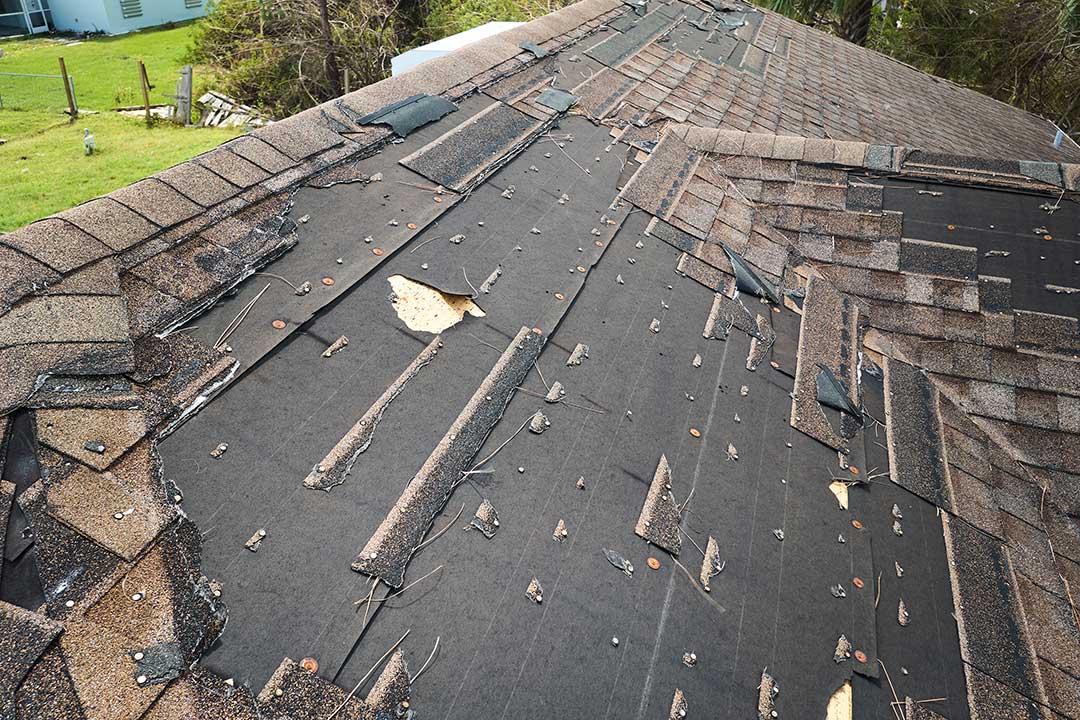
Prompt attention is warranted for:
- Water entering during rain
- A ceiling that is bulging or sagging
- Large areas of missing or displaced roofing material
- Exposed underlayment or roof decking
- A tree limb or other object resting on the roof
- Significant flashing separation
- Daylight visible through the roof surface from the attic
- Electrical fixtures affected by water
- Signs that roof framing has weakened
If water is near electrical equipment, the safest response is to avoid touching wet fixtures and address the electrical hazard separately. Walking on a steep, wet, icy, or visibly damaged roof can create a serious fall risk.
How can homeowners monitor a roof before damage spreads?
Regular observation can identify changes before they become major interior problems. From the ground, homeowners can look for uneven roof lines, missing shingles, excessive granules in gutters, damaged flashing, and sagging areas. After significant wind or rain, checking the attic and upper ceilings can reveal moisture earlier than waiting for a large stain.
Inside the attic, signs worth watching include:
- Damp or compressed insulation
- Dark water marks on wood
- Rusted nails or metal components
- Musty odors
- Daylight entering where it should not
- Condensation or frost on cold surfaces
Roof observations should be made from safe locations. Climbing onto the roof is not necessary to identify many warning signs, and hazardous weather can make even a seemingly minor inspection unsafe.
Is a roof leak always obvious?
No. Some leaks occur only during wind-driven rain, heavy snowmelt, or specific wind directions. Others appear intermittently because water is being absorbed by insulation or held by roofing layers before reaching the ceiling.
A roof can also be deteriorating without leaking yet. Cracked sealant, exposed fasteners, aging flashing, loose shingles, and weakened drainage areas may indicate conditions that could lead to future water entry.
The practical lesson is that visible dripping is a late warning sign, not the beginning of roof damage. Early investigation can help distinguish a minor maintenance issue from a developing moisture problem before repairs expand into interior reconstruction.
