

How can residents assess if a roofing contractor is trustworthy?
Choosing a roofing contractor involves more than quick online searches or picking the first name from a directory. Trustworthy contractors typically demonstrate professionalism throughout communication, offer clear answers about their experience, and maintain proper credentials relevant to the area. In Poughkeepsie, local rules and climate conditions—such as seasonal freeze-thaw cycles and high humidity in summer—require skill and understanding beyond generic roofing knowledge.
Look for the following signs of reliability:
- Willingness to answer specific questions about local materials and codes
- Ability to provide copies of licenses and insurance relevant to the state and locality
- Professional, timely communication—missed appointments or unclear estimates can indicate problems
Many residents overlook the value of direct references. It’s reasonable to request recent projects completed in neighborhoods with similar housing stock, which is common for Poughkeepsie’s diverse mix of older and newer homes.
What documentation and insurance is needed for residential roofing in this area?
A reputable contractor should be able to provide proof of up-to-date liability insurance and workers’ compensation coverage. These documents protect homeowners from liability if a worker is injured during the job. Roof work often requires local permits in Poughkeepsie. While permitting is largely the contractor’s responsibility, requesting to see permit documentation is a practical way to verify legitimacy and local compliance.
Unlicensed or uninsured work may void homeowner insurance policies or future warranty claims related to roof installations. It’s not uncommon for residents dealing with storm damage or windblown shingles to discover coverage issues only after the fact—confirm documentation before any materials arrive or work begins.
How do weather and seasonal changes in Poughkeepsie affect roofing choices?
Local weather patterns influence both roof material selection and project timelines. The region’s late fall leaf drop, periods of heavy spring rain, and winter snow loads all impact how roofs perform and what contractors must plan for.
Trusted roofers in the area should recognize:
- The need for robust ice and water barriers to prevent leaks from ice damming in winter
- Proper attic ventilation to limit moisture buildup during humid summers and to prevent mold
- Solutions for managing fallen leaves and gutter blockages that can accelerate wear
Ask how contractors account for area climate in their installations and repairs. A knowledgeable professional will offer practical details specific to neighborhood housing and local code, not just generic promises.
What questions should homeowners ask before agreeing to work?
Direct, specific questions make it easier to distinguish between experienced contractors and those without local expertise. Some examples include:
- How do you handle unexpected roof deck repairs if rotted sections are found?
- What types of shingles or membrane materials have lasted well in this zip code?
- Can you explain the warranty—including what it covers, who backs it, and required homeowner upkeep?
Responses should be clear and based on local examples. Watch for evasive or overly generic answers—these may signal limited experience or outside firms unfamiliar with the city’s building patterns.
Are estimates and inspections typically free or paid in this region?
Most established roofing contractors in the community offer free written estimates for roof replacements or substantial repairs. Inspections for real estate transactions or in-depth leak tracing, however, may carry reasonable fees, since these often require detailed reports or climbing steep, sometimes older, roofs.
Never rely solely on a verbal ballpark figure. Instead, compare written estimates that outline:
- Details about specific materials (including manufacturer and color)
- Labor costs, disposal fees, and permit charges
- Payment schedule (avoid large up-front payments before work begins)
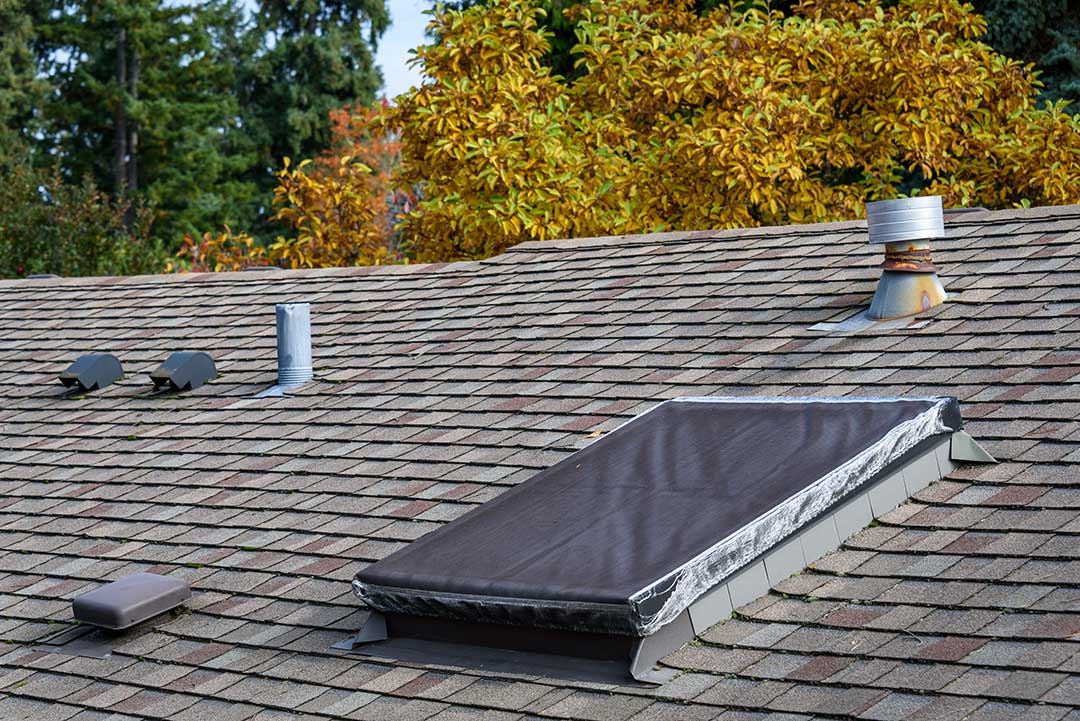
Homeowners sometimes overlook the difference between a thorough inspection and a “drive-by” estimate. Only the former can uncover hidden issues, such as deteriorated decking or poor ventilation common in older homes around Poughkeepsie.
How quickly should a contractor be able to start, and what are realistic timelines?
Timelines can vary based on season and current demand. During summer and late fall, when roof work peaks, it’s not unusual for lead times to be a few weeks out. Emergency weather-related repairs may move faster, but be wary of contractors who offer immediate start dates without even seeing the roof—this can signal inexperience or a lack of active business.
For single-family residential roofs:
- Tear-off and replacement of a typical asphalt shingle roof is usually 1-3 days after setup
- Large or specialty projects (e.g., slate or metal) may take several days to over a week
Weather delays are common. Contractors should explain how they communicate and handle interruptions due to rain or unexpected conditions.
What pitfalls or mistakes do local residents commonly experience?
Common issues in the area include hiring based on the lowest estimate without reviewing scope, or skipping verification steps when storm chasers move into town after a severe weather event.
Common mistakes:
- Not verifying licenses and insurance
- Accepting vague terms regarding material type or warranty
- Ignoring the fine print about cleanup, especially in densely settled neighborhoods where nails and debris are hazardous
Neighborhood referrals can help, but do not guarantee quality—homes just a block apart may face different roofing conditions due to tree cover or roof orientation.
How does the city regulate roofing work, and what should residents know about code compliance?
The city generally requires permits for significant roof repairs, replacements, or changes to roof structure. Contractors are usually responsible for securing permits, scheduling inspections, and ensuring work meets code.
Residents have the right to ask for evidence of permit applications and to check with the local building department if unsure. Code compliance protects not just against fines, but also assures the roof is installed for local wind, snow, and fire resistance needs.
If in doubt, the local building department or online resources from municipal agencies provide up-to-date guidance for homeowners unfamiliar with recent code updates or permit processes.
