

What Does Hail Damage Look Like on Poughkeepsie Roofs?
Hail damage can be subtle or severe, but it rarely looks like the clean dents seen on cars. In Poughkeepsie, storms with hail frequently strike in late spring and summer. On asphalt shingle roofs, the most common sign is the sudden loss of protective granules from the shingle surface, often in small, random spots where hail made direct impact. These areas appear as dark or shiny spots, different from the general wear that develops over the years.
On metal roofs, hail damage usually manifests as small dents or dings. Wood shakes may show splits or fresh-looking cracks. What’s crucial is recognizing that hail rarely affects every part of the roof evenly. The impact is typically scattered.
Homeowners in the community should look for:
- Randomized bare patches on asphalt shingles
- Circular cracks or dents on metal surfaces
- Exposed fiberglass matting under asphalt shingles
- Split wood shakes or broken tiles
Can Hail Damage Be Hard to See from the Ground?
Yes—minor hail impacts often aren’t visible from the street or yard. In leafy neighborhoods with tree cover, branches and debris might hide or cause their own roof blemishes, complicating a quick judgment. Even when hail impacts are severe, roof slopes facing away from living areas may go unnoticed.
A basic visual check with binoculars can reveal granule loss and larger dents, but most hail marks are best seen close up. Many residents mistake normal granule loss (from aging) for hail damage, but hail will usually leave distinct, isolated patches with sharp edges.
What Are Signs of Hail Damage Inside the Home?
While most hail damage appears on the rooftop, severe strikes in Poughkeepsie sometimes cause leaks. Interior warning signs are:
- Water stains or spots on ceilings, especially after hailstorms
- Damp attic insulation or musty smells
- Dripping sounds during or after rain
Leaks may take weeks to appear as damage deepens, so an inspection in the weeks after a major hailstorm can help prevent interior issues. If ceilings stain after a summer storm that featured hail, even small roof damage may be to blame.
Do All Roof Types Show the Same Symptoms?
Different roofing materials react in their own ways. In Poughkeepsie’s residential neighborhoods, asphalt shingles are most common, with some homes sporting metal, tile, or wood roofs.
- Asphalt Shingles: Look for round, random spots of missing granules and soft, bruised areas. Gently pressing a finger on the suspected spot may reveal an impression (“give”) where the hail struck.
- Metal Roofing: Dents with sharp edges are a giveaway. Sometimes, paint is chipped or oxidized at the impact.
- Wood Shakes or Shingles: Cracks or new splits with fresh, light-colored wood exposed can indicate recent hail.
- Slate or Tile: These can break or develop small surface chips.
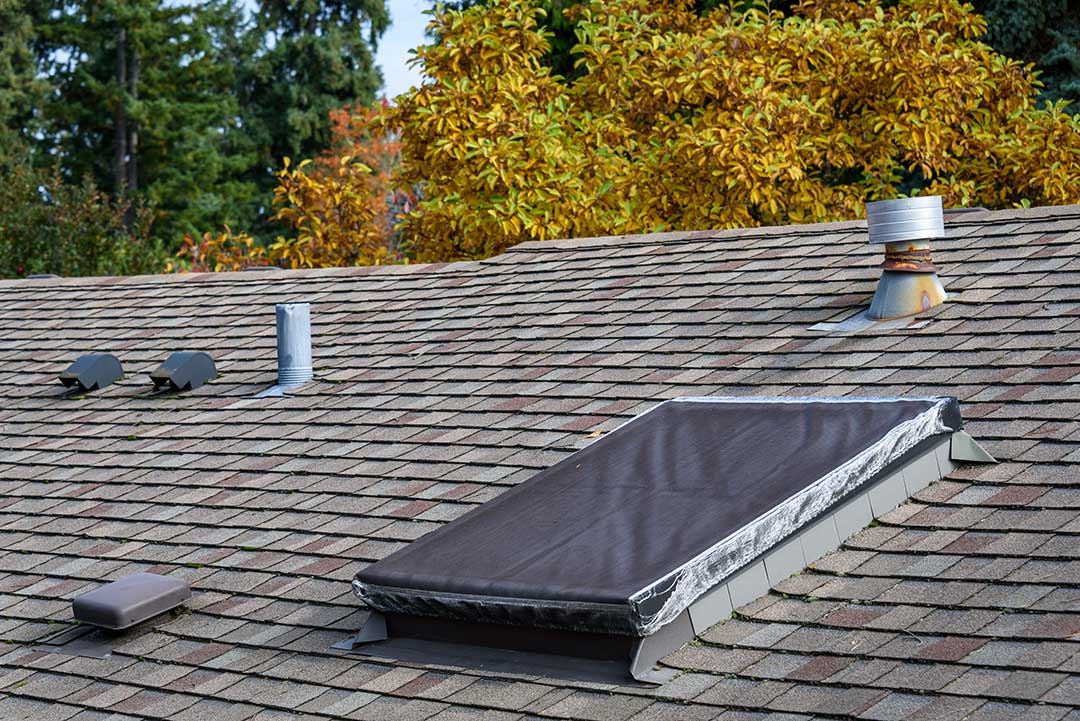
It’s important for area households to know the age and current condition of their roof, since old or brittle materials are more easily damaged—not always by hail alone.
How Soon After a Storm Can Damage Appear?
Some damage is instant, while other effects appear gradually. After a hailstorm, shingles may still look intact, but the loss of granules accelerates aging and increases risk of leaks with each rainfall.
Immediate signs—shiny, dark spots; chips; dents—can be checked once the weather clears. Hidden bruises or cracks, however, may dislodge over the next weeks and only become visible later. City residents often overlook early subtle signs, especially if gutters fill with excessive granule sediment after a storm. This runoff may signal recent hail impacts.
What Are Common Misconceptions About Hail Damage?
Many think larger hailstones are the only source of roof harm, but even quarter-sized hail can shorten roof life, especially if driven by wind. It’s also a misconception that all hail damage is obvious or produces instant leaks. Often, the most serious consequence is accelerated wear rather than catastrophic failure.
Another misunderstanding is assuming homeowners’ insurance always covers hail events. Some policies have exclusions or stipulations. While this is a point for individual review, knowing the visible clues and documenting findings is useful should further action become necessary.
When Should a Roof Be Checked for Hail Damage?
After any confirmed hailstorm—especially ones generating noise against windows, siding, or skylights—area homeowners should check rooftops as soon as it’s safe. While not every storm causes harm, repeated small impacts can add up over time. In the city’s mature neighborhoods with older trees, debris may cover hail marks, so a careful check is worthwhile.
Because moisture intrusion can escalate quickly after roof coverings are compromised, waiting until leaks develop is risky, especially during the rainy summer season. Checking shingles, gutters, and attics for clues soon after a notable storm is a sound preventive step.
What Precautions Are Needed for a Safe Roof Inspection?
For those comfortable checking their own roofs, use a sturdy ladder on level ground and avoid climbing on wet or steep surfaces. Binoculars can reveal much from a safe distance. In multi-story homes or those with high, complex roofs (common in many local neighborhoods), visual checks from the ground or upstairs windows are the safest choice.
If there’s ever any risk from height or slippery conditions, use extra caution and avoid accessing unsafe areas.
