
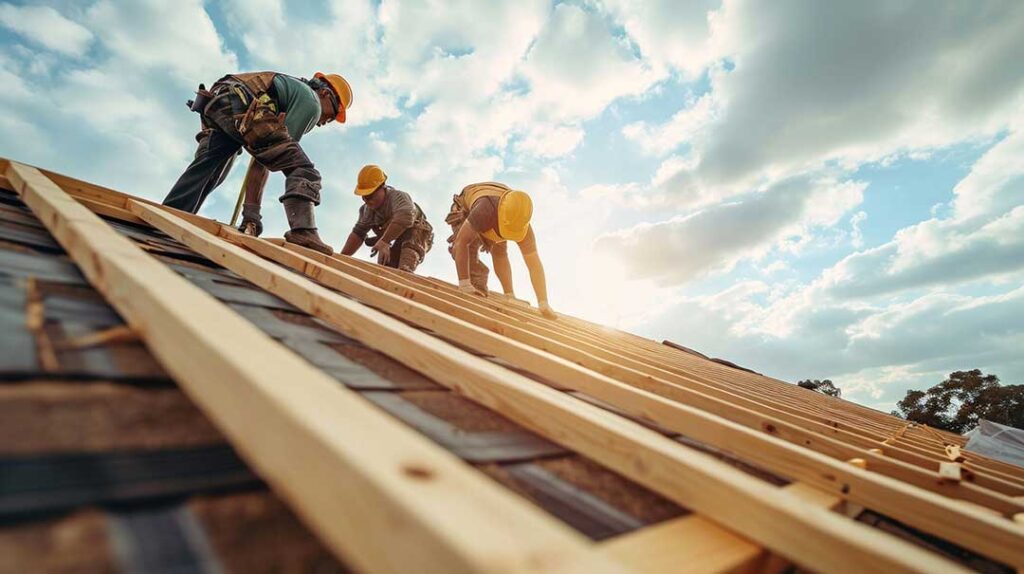
A roof can look worn without needing to be completely removed, but visible aging does not always tell the full story. Re-roofing usually means installing a new roofing layer over an existing layer, while roof replacement generally means removing the old roofing materials, inspecting the underlying structure, and installing a new roof system.
The correct choice depends on the condition of the existing shingles, the roof deck, ventilation, flashing, moisture history, and local weather exposure. Understanding the difference can help area homeowners ask better questions before work begins.
What does re-roofing mean?
Re-roofing is the installation of a new layer of shingles over an existing layer. The old shingles remain in place, and the new roofing material is fastened over them.
This approach may be considered when:
- The existing roof has only one layer of shingles.
- The roof deck is dry, solid, and relatively flat.
- Damage is limited to surface-level wear.
- The roof has no widespread leaks, sagging, or structural movement.
- The existing roof covering is compatible with the new layer.
- Local building requirements allow the additional roofing layer.
Re-roofing is sometimes less disruptive because it avoids the full tear-off process. It can also reduce the amount of old roofing material sent to a landfill. However, it does not correct problems beneath the shingles. If water has damaged the decking or insulation, covering the roof may hide the issue rather than solve it.
What is a full roof replacement?
A roof replacement normally involves removing the existing shingles and underlayment, exposing the roof deck, and rebuilding the roof covering from the deck upward. Damaged decking can then be repaired or replaced before new underlayment, flashing, ventilation components, and shingles are installed.
Replacement is generally more appropriate when:
- The roof already has multiple layers.
- Shingles are curling, breaking, blistering, or losing large amounts of granules.
- Leaks appear in several locations.
- The roof deck is soft, stained, swollen, or visibly deteriorated.
- There is sagging between rafters or along the roofline.
- Flashing around penetrations, walls, or chimneys is failing.
- Ice, wind, fallen branches, or prolonged moisture have caused hidden damage.
- The existing roof has reached the later part of its expected service life.
A full replacement provides an opportunity to examine the roof structure instead of placing new materials over unknown conditions.
Is re-roofing cheaper than replacement?
Re-roofing often costs less initially because it may require less labor, fewer disposal charges, and less time removing existing materials. That lower upfront cost does not automatically make it the better long-term choice.
If the roof deck or flashing is already failing, re-roofing can leave the underlying problem untouched. Water may continue entering through damaged areas, and the new shingles may wear unevenly over an unstable surface. A later tear-off can also require removal of both roofing layers, increasing the amount of material and labor involved.
The meaningful comparison is not simply the price of one layer versus two. It is the cost of installing a durable roof system now compared with the cost of postponing necessary repairs.
How can homeowners tell which option may be appropriate?
A visual inspection from the ground can identify warning signs, but it cannot confirm the condition of the roof deck. A closer evaluation should consider the entire roof assembly, not just the shingles.
Useful questions include:
- How many existing roofing layers are present?
- Are leaks isolated or occurring in several areas?
- Is the roof deck solid beneath damaged sections?
- Are flashing and pipe seals intact?
- Is attic ventilation functioning properly?
- Are there signs of condensation, mold-like staining, or wet insulation?
- Has the roof experienced storm, ice, or branch damage?
- Would another layer exceed local requirements or create excessive roof weight?
A roof with scattered missing shingles may still have serious concealed damage. Conversely, a roof with faded or stained shingles may have a sound deck and require less extensive work. Appearance alone is not a reliable guide.
Why does the roof deck matter so much?
The roof deck is the structural surface beneath the underlayment and shingles. It is commonly made from wood panels or boards. Shingles depend on this surface for proper fastening and support.
If the deck is soft, rotten, delaminated, or weakened around a leak, new shingles may not lie flat or remain securely attached. Fasteners may fail to hold, and moisture can continue spreading through the roof assembly.
A full replacement makes it possible to inspect the deck across the roof. Re-roofing does not provide the same access because the existing roof covering remains in place.
How do Poughkeepsie weather conditions affect the decision?
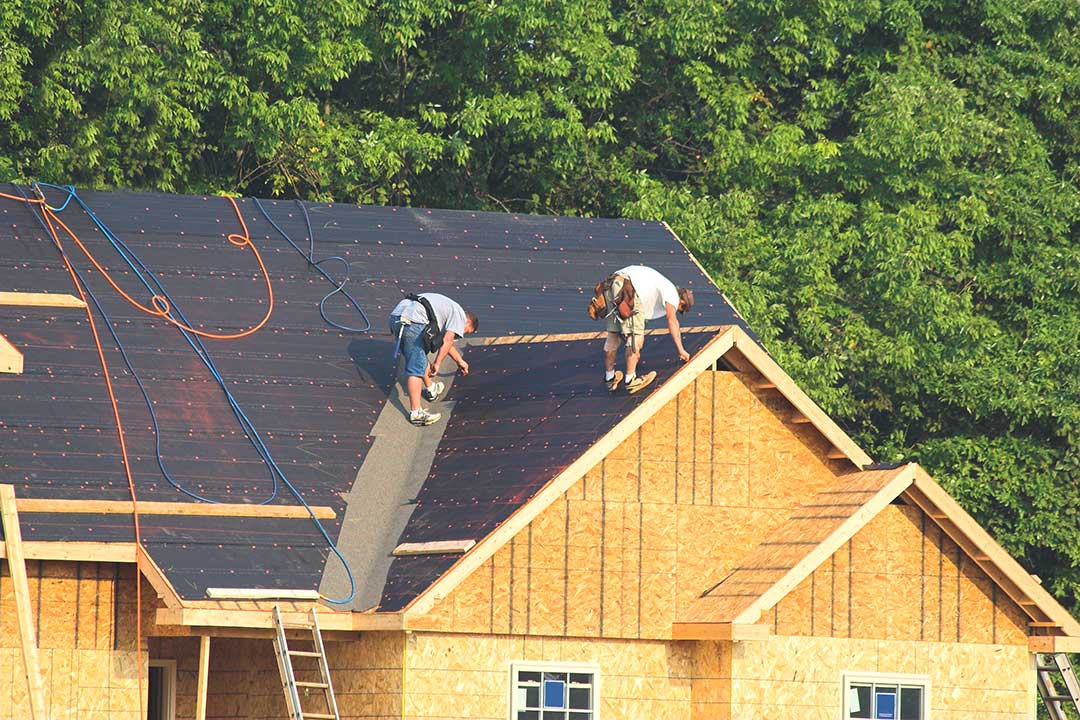
In Poughkeepsie, roofs experience four-season exposure, including freeze-thaw cycles, winter snow and ice, spring rain, summer heat, and occasional strong wind. These conditions can enlarge small defects over time.
Freeze-thaw movement may widen cracks around flashing or roofing penetrations. Ice buildup can place stress on roof edges and expose weaknesses in drainage paths. Repeated wetting and drying can also accelerate deterioration in poorly protected roof decking.
That does not mean every older roof requires a tear-off. It does mean that moisture history and winter performance deserve careful attention. A roof that has experienced recurring leaks, ice-related damage, or attic condensation should not be covered without investigating the cause.
Can another layer of shingles always be installed?
No. Re-roofing is not suitable for every roof.
The number of existing layers, the condition of the roof surface, the slope, the type of shingles, and applicable building requirements all affect whether another layer is allowed or practical. Some roofs are already too uneven for a new layer to lie correctly. Others have damaged decking that cannot be evaluated adequately without removal.
Additional roofing material also adds weight. The roof framing may have been designed for a particular load, and older homes may contain several generations of roofing materials. Local permit and code requirements should be checked before work begins, especially when adding a layer or replacing structural components.
Does re-roofing solve ventilation or flashing problems?
Usually, no. Re-roofing mainly addresses the outer roof covering.
It may not correct:
- Blocked or inadequate attic ventilation
- Damaged chimney or wall flashing
- Poorly sealed plumbing penetrations
- Improper roof-to-wall transitions
- Sagging framing
- Wet insulation
- Drainage problems caused by roof design or debris
A new surface can improve appearance and weather resistance, but the roof system also includes underlayment, flashing, ventilation, decking, and drainage details. A lasting repair requires attention to the component causing the failure.
What should be documented before work begins?
Before choosing re-roofing or replacement, homeowners should document existing conditions. Photos of stains, leaks, missing shingles, damaged flashing, and attic moisture can help establish where problems occur and whether they change after rain or snow.
Written project information should clarify:
- Whether the existing roof will be removed
- How many layers will remain or be installed
- How damaged decking will be handled
- Whether flashing will be reused or replaced
- How ventilation and roof penetrations will be addressed
- How old roofing materials will be removed and disposed of
- What permits or inspections may apply
The central distinction is simple: re-roofing adds a new surface, while roof replacement examines and rebuilds more of the roof system. A sound, single-layer roof with limited surface wear may be a candidate for re-roofing. A roof with concealed damage, multiple layers, recurring leaks, or structural concerns generally requires a more complete replacement approach.
